
Kitchen Respray Colour Psychology: Complete Guide
Most british homes are shaped by subtle design choices that often go unnoticed, yet colour plays a powerful role in setting the mood of any kitchen. Studies show that over 60 percent of people believe their home’s paint colours directly affect their wellbeing. This understanding has inspired many to rethink the classic british kitchen, using colour psychology to create spaces that support happiness, productivity, and personal style. With the right respray colours, your kitchen can become a true reflection of your personality and needs.
Table of Contents
- Defining Kitchen Respray Colour Psychology
- Popular Kitchen Colours And Their Meanings
- Psychological Impacts Of Kitchen Colour Choices
- Choosing Colours To Suit Your Lifestyle
- Common Pitfalls And Decision Mistakes
Key Takeaways
| Point | Details |
|---|---|
| Importance of Colour Psychology | Understanding colour psychology is essential for creating a kitchen that impacts mood and energy levels favourably. |
| Personalised Colour Selection | Choose colours that resonate with your personal lifestyle and emotional needs to enhance your kitchen’s atmosphere. |
| Avoiding Common Mistakes | Be cautious of overwhelming colour choices; balance bold hues with neutrals to maintain harmony in your space. |
| Functional and Emotional Design | Integrate colour selections that not only cater to aesthetic preferences but also support emotional well-being and daily routines. |
Defining Kitchen Respray Colour Psychology
Colour psychology represents a fascinating exploration of how visual hues interact with human emotions and perceptions, particularly within interior design spaces like kitchens. When considering a kitchen respray, understanding how colour affects kitchen design becomes crucial for creating an environment that resonates with personal taste and emotional well-being.
At its core, colour psychology examines the profound impact different colours have on human psychological and physiological responses. In kitchen environments, specific colour selections can dramatically transform the space’s atmosphere, influencing mood, energy levels, and even social interactions. Warm tones like soft oranges and yellows can create a sense of comfort and intimacy, while cooler blues and greens might evoke feelings of calmness and freshness.
Research indicates that colour selection goes beyond aesthetic preferences. The strategic application of colour psychology in kitchen design allows homeowners to craft spaces that not only look appealing but also support specific emotional and functional objectives. Whether you want a vibrant cooking area that stimulates creativity or a serene space for relaxation, understanding the psychological implications of colour can guide your kitchen transformation guide and respray choices.
When approaching kitchen respray colour psychology, consider three fundamental elements: emotional response, spatial perception, and personal context. Different colours trigger unique psychological responses – red might invoke energy and passion, while green can suggest growth and harmony. The key is selecting colours that align with your lifestyle, complement your kitchen’s architectural features, and create the desired emotional landscape within your culinary space.
Popular Kitchen Colours And Their Meanings
Kitchen colours play a profound role in shaping emotional experiences and functional atmospheres. Types of kitchen paint offer homeowners diverse opportunities to transform their culinary spaces through strategic colour selection that goes far beyond mere aesthetic preferences.
Different colours evoke distinct psychological responses within kitchen environments. Blue emerges as a particularly fascinating hue, known for creating atmospheres of calmness and concentration. Green connects inhabitants with natural rhythms, promoting restoration and tranquillity, while vibrant yellow stimulates creativity and energetic interactions. Research suggests that kitchen paint choices can fundamentally alter how people experience and engage with their cooking spaces.
Red represents another compelling colour with dynamic psychological implications. This intense shade stimulates appetite and conversation, making it an excellent choice for dining areas and social kitchen spaces. Neutral tones like beige and grey offer remarkable versatility, creating soothing backdrops that adapt seamlessly to changing design trends and personal preferences. Sophisticated black can introduce depth and confidence, transforming ordinary kitchen spaces into striking culinary environments.
Ultimately, selecting kitchen colours is a deeply personal journey that balances emotional resonance, functional requirements, and individual aesthetic sensibilities. Whether you prefer calming blues, energetic yellows, or sophisticated neutrals, the right colour respray can dramatically reshape your kitchen’s emotional landscape and create a space that genuinely reflects your personality and lifestyle.
Psychological Impacts Of Kitchen Colour Choices
The emotional landscape of a kitchen extends far beyond its functional purpose, with colour playing a critical role in shaping psychological experiences. Kitchen refurbishment strategies recognise that colour selections can profoundly influence mood, behaviour, and overall well-being within domestic spaces.
Colour perception operates on a nuanced spectrum of psychological triggers. Bold coral tones, for instance, can stimulate appetite and create vibrant, energetic atmospheres, while cool duck-egg blue generates a sense of calm and tranquillity. Pastel colours specifically are associated with feelings of joy and happiness, transforming kitchens into inviting spaces that promote positive emotional states and enhance inhabitants’ psychological comfort.
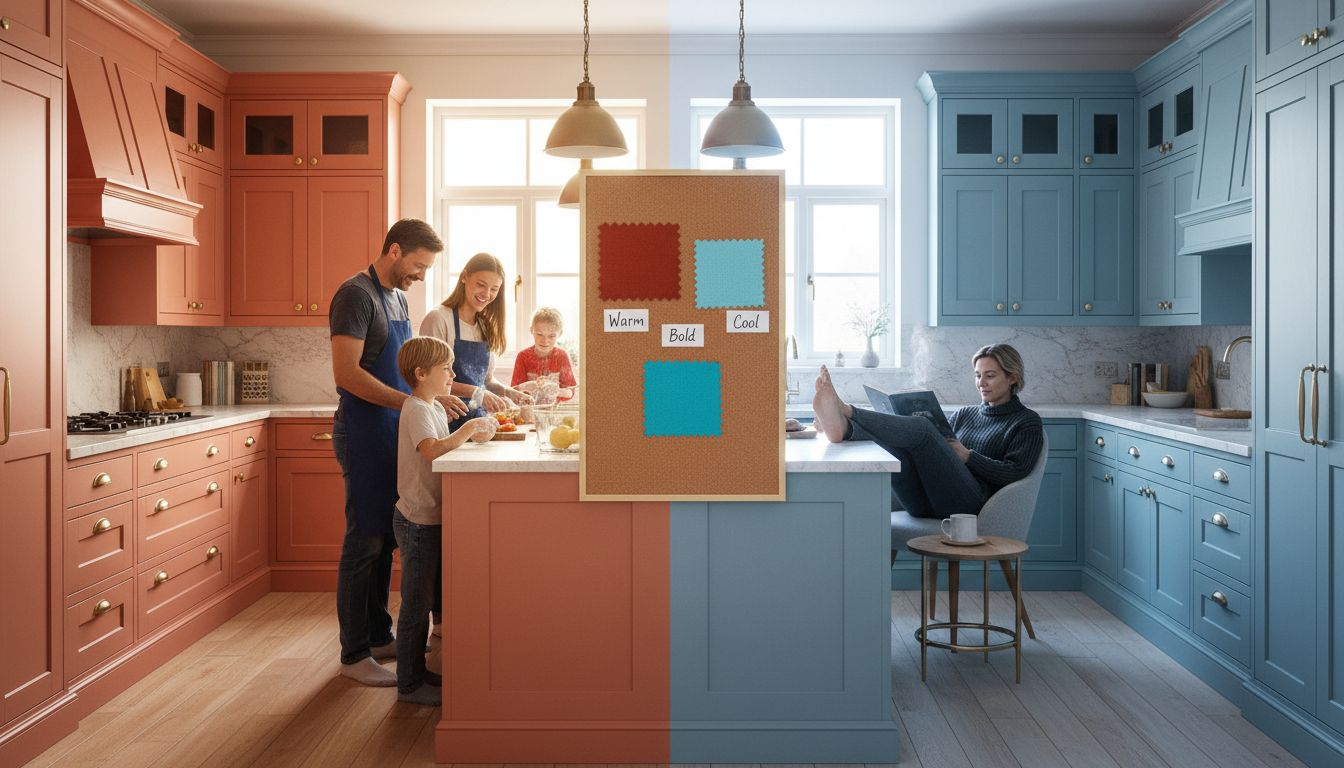
Beyond immediate emotional responses, kitchen colour choices interact with deeper psychological mechanisms. Warmer colours like yellow and orange can create a sense of intimacy and warmth, encouraging social interaction and conversation. Conversely, cooler tones such as soft greens and blues can induce a sense of relaxation, making the kitchen a sanctuary for mindful cooking and contemplative moments. The strategic selection of colours becomes an intricate dance between visual aesthetics and psychological well-being.
Ultimately, the psychological impact of kitchen colours is a deeply personal journey. Each individual’s emotional landscape interacts uniquely with different hues, making colour selection an intimate process of self-expression. By understanding these subtle psychological nuances, homeowners can craft kitchen spaces that not only look beautiful but also resonate with their inner emotional rhythms.
Choosing Colours To Suit Your Lifestyle
Selecting kitchen colours is an intimate process of translating personal narratives and lifestyle dynamics into visual design. Smart kitchen decorating ideas emphasise that colour choices are more than aesthetic decisions – they are profound expressions of individual personality and daily rhythms.
Personal lifestyle considerations play a crucial role in colour selection. For individuals with high-energy, social lifestyles, vibrant and stimulating colours like coral or bright yellow can create dynamic cooking environments that spark conversation and creativity. Conversely, those seeking tranquil spaces might gravitate towards cool, muted tones that provide a sense of calm and contemplative atmosphere. The kitchen becomes a canvas reflecting personal preferences, professional demands, and emotional needs.
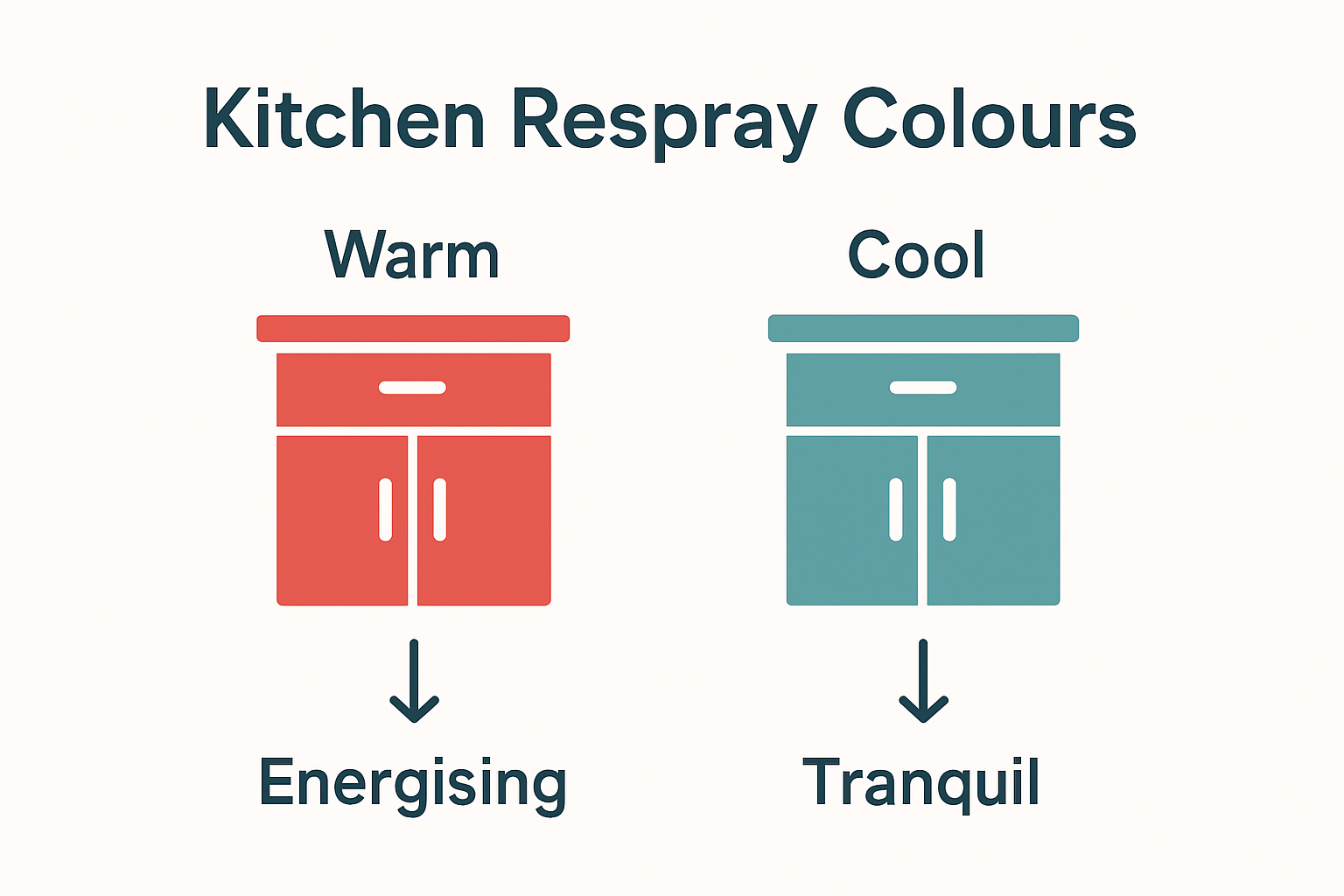
Psychological research suggests that colour selections should harmonise with specific lifestyle patterns. Home chefs who love entertaining might choose warm, appetising tones that create welcoming environments, while professionals seeking minimalist efficiency might prefer neutral palettes that reduce visual noise and promote focus. The kitchen’s colour scheme can actively support different life rhythms – from quiet morning coffee moments to bustling evening dinner preparations.
Ultimately, choosing colours is an intuitive journey of self-discovery. By understanding how different hues interact with personal energy, emotional states, and daily routines, homeowners can transform their kitchen into a deeply personalised space that not only looks beautiful but feels authentically aligned with their unique lifestyle and inner landscape.
Common Pitfalls And Decision Mistakes
Kitchen colour selection is a nuanced process fraught with potential missteps that can dramatically impact the emotional and functional quality of the space. Kitchen respray finish types underscore the importance of understanding potential design challenges before committing to a specific colour strategy.
Colour overwhelm represents one of the most significant psychological design errors homeowners encounter. Research indicates that overusing bold colours can create visual chaos, disrupting the kitchen’s harmony and emotional balance. Many individuals mistakenly select intense, saturated hues without considering how these colours interact with existing architectural elements, lighting conditions, and personal energy levels. The key is strategic moderation – balancing strong shades with neutral tones to create a visually compelling yet psychologically comfortable environment.
Another critical mistake involves neglecting the profound psychological implications of colour choices. Different hues trigger specific emotional and physiological responses that extend far beyond aesthetic preferences. Some homeowners select colours purely based on current trends or personal whims, overlooking how these selections might impact daily mood, productivity, and overall kitchen experience. Warm tones might stimulate appetite and conversation, while cooler shades could induce calmness – understanding these subtle psychological mechanisms is crucial for creating an authentically supportive kitchen space.
Ultimately, avoiding colour selection pitfalls requires a holistic approach that balances emotional intelligence, design principles, and personal lifestyle needs. Successful kitchen colour strategies emerge from careful reflection, understanding individual psychological triggers, and creating a harmonious visual landscape that supports daily rhythms and personal well-being.
Transform Your Kitchen Mood with Expert Respray Services
Choosing the right kitchen colour is more than a design decision. It shapes your daily moods and lifestyle, reflecting your personality while influencing how you feel in your most loved space. If the challenge of selecting colours that truly resonate feels overwhelming, remember that the key lies in understanding colour psychology and crafting a balanced environment that supports your emotional and functional needs.
Explore expert insights on how colour transforms kitchens and see how professional in-situ respray services can revamp your space without disruption.
Take the step to elevate your kitchen atmosphere with SKR Specialists. Our professional kitchen respray service helps you achieve the perfect colour harmony tailored to your lifestyle and kitchen architecture. Visit SKR Specialists now to start your personalised kitchen transformation guided by expertise and colour psychology principles. Don’t wait to enjoy the emotional and visual benefits of your ideal kitchen colour scheme.
Frequently Asked Questions
What is colour psychology in kitchen design?
Colour psychology in kitchen design refers to the study of how different colours influence emotions, perceptions, and behaviours within the kitchen environment. It highlights how colour choices can affect mood, energy levels, and social interactions.
How do I choose the right colour for my kitchen respray?
To choose the right colour for your kitchen respray, consider your emotional response to colours, the kitchen’s spatial perception, and your personal lifestyle. Select hues that resonate with your preferences and complement the kitchen’s architectural features.
What are some popular kitchen colours and their meanings?
Popular kitchen colours include blue, which evokes calmness; green, associated with nature and harmony; yellow, stimulating creativity; and red, known for its appetite-boosting properties. Each colour can create a different atmosphere and emotional response.
What common mistakes should I avoid when selecting kitchen colours?
Common mistakes include colour overwhelm, where bold hues disrupt harmony, and neglecting the emotional impacts of colour choices. It’s important to balance strong shades with neutrals and consider how colours will affect daily mood and productivity.