
Kitchen Respray Finish Types: Complete UK Guide
Over 60 percent of UK homeowners consider updating their kitchen surfaces to refresh their space without a costly renovation. Your choice of respray finish can shape both the style and resilience of your kitchen, but many people feel lost when faced with matt, satin, gloss, and metallic options. Discover how understanding each finish can help you get the look you want while keeping maintenance easy and your kitchen looking its best for years.
Table of Contents
- Kitchen Respray Finish Types Explained
- Gloss, Satin, and Matte: Key Differences
- Durability and Maintenance Considerations
- Costs, Timeframes, and Value Impact
- How to Choose the Right Finish
Key Takeaways
| Point | Details |
|---|---|
| Finish Types Matter | Selecting the right finish type (matte, satin, gloss, or metallic) influences both the aesthetic and durability of your kitchen surfaces. |
| Reflective Properties | Gloss finishes reflect the most light and are easiest to clean, while matte finishes hide imperfections but are less durable. |
| Consider Usage and Maintenance | Assess your kitchen’s traffic levels and cleaning capabilities to choose a finish that aligns with your lifestyle. |
| Cost-Effective Transformation | Kitchen respraying is a fraction of the cost of full renovations, with project durations typically ranging from 2-5 days. |
Kitchen Respray Finish Types Explained
Kitchen respraying offers homeowners a transformative way to refresh their kitchen’s appearance without the hefty cost of full replacement. Finish types play a crucial role in determining the final aesthetic and durability of your kitchen surfaces. From sleek contemporary looks to traditional matte appearances, understanding these finish options can help you make an informed decision that matches your style and practical needs.
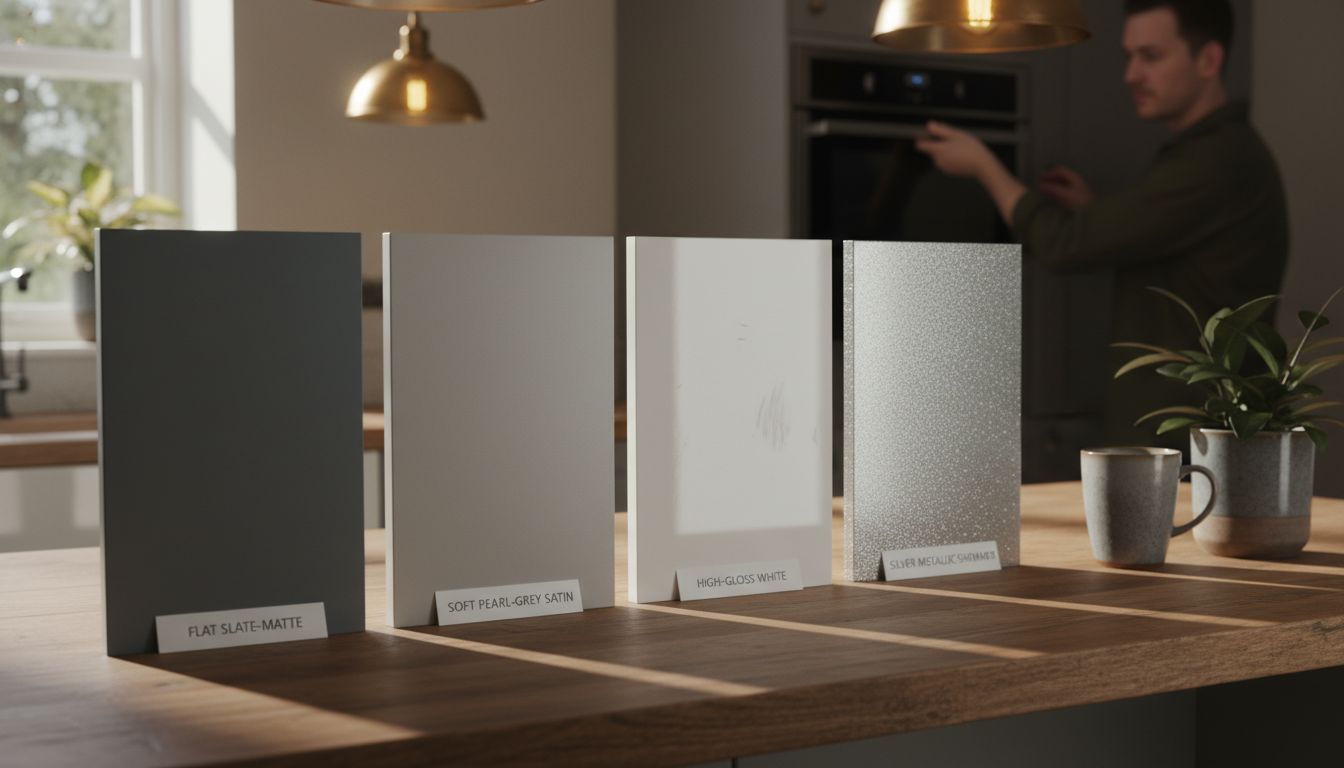
Exploring Different Kitchen Respray Finish Varieties
There are several primary finish types available for kitchen respraying, each with unique characteristics:
- Matt Finish: Creates a smooth, non-reflective surface that hides minor imperfections and provides a contemporary, understated look
- Satin Finish: Offers a subtle sheen that sits between matt and gloss, delivering a soft, elegant appearance
- Gloss Finish: Produces a highly reflective surface that makes spaces feel brighter and larger, ideal for modern kitchen designs
- Metallic Finish: Introduces a sophisticated shimmer with metal-like qualities, perfect for adding visual depth and contemporary flair
Factors Influencing Finish Selection
Choosing the right kitchen respray finish involves considering multiple practical and aesthetic factors. Lighting conditions, kitchen size, existing colour schemes, and your personal style preferences all contribute to the final decision. For instance, smaller kitchens might benefit from gloss finishes that reflect light and create an illusion of spaciousness, while larger kitchens could accommodate more dramatic matt or metallic finishes.
Learn more about kitchen respray best practices in our comprehensive guide on kitchen respray best practices. Understanding these finish types allows you to transform your kitchen with precision and confidence, ensuring a result that not only looks stunning but also withstands daily wear and tear.
Gloss, Satin, and Matte: Key Differences
Understanding the nuanced differences between gloss, satin, and matte finishes is crucial when selecting the perfect kitchen respray option. Each finish type offers distinct visual characteristics and performance attributes that can significantly impact your kitchen’s overall aesthetic and functionality.
Light Reflection and Appearance
According to HomeHow, the key distinguishing factor among these finishes lies in their light reflection properties. Matte finishes provide a flat, non-reflective surface with minimal sheen, which effectively conceals surface imperfections. Satin finishes occupy a middle ground, reflecting moderate light and offering a soft, pearl-like appearance. Gloss finishes, in contrast, deliver maximum light reflection, creating a vibrant, highly polished look that can make spaces feel larger and more luminous.
Performance Characteristics
Vision Hornchurch magazine reveals that satin finishes typically reflect between 25% and 35% of light, compared to matte finishes’ mere 5% to 10% reflection. This significant difference means satin finishes are more resistant to wear and easier to clean, making them an excellent choice for high-traffic kitchen areas.
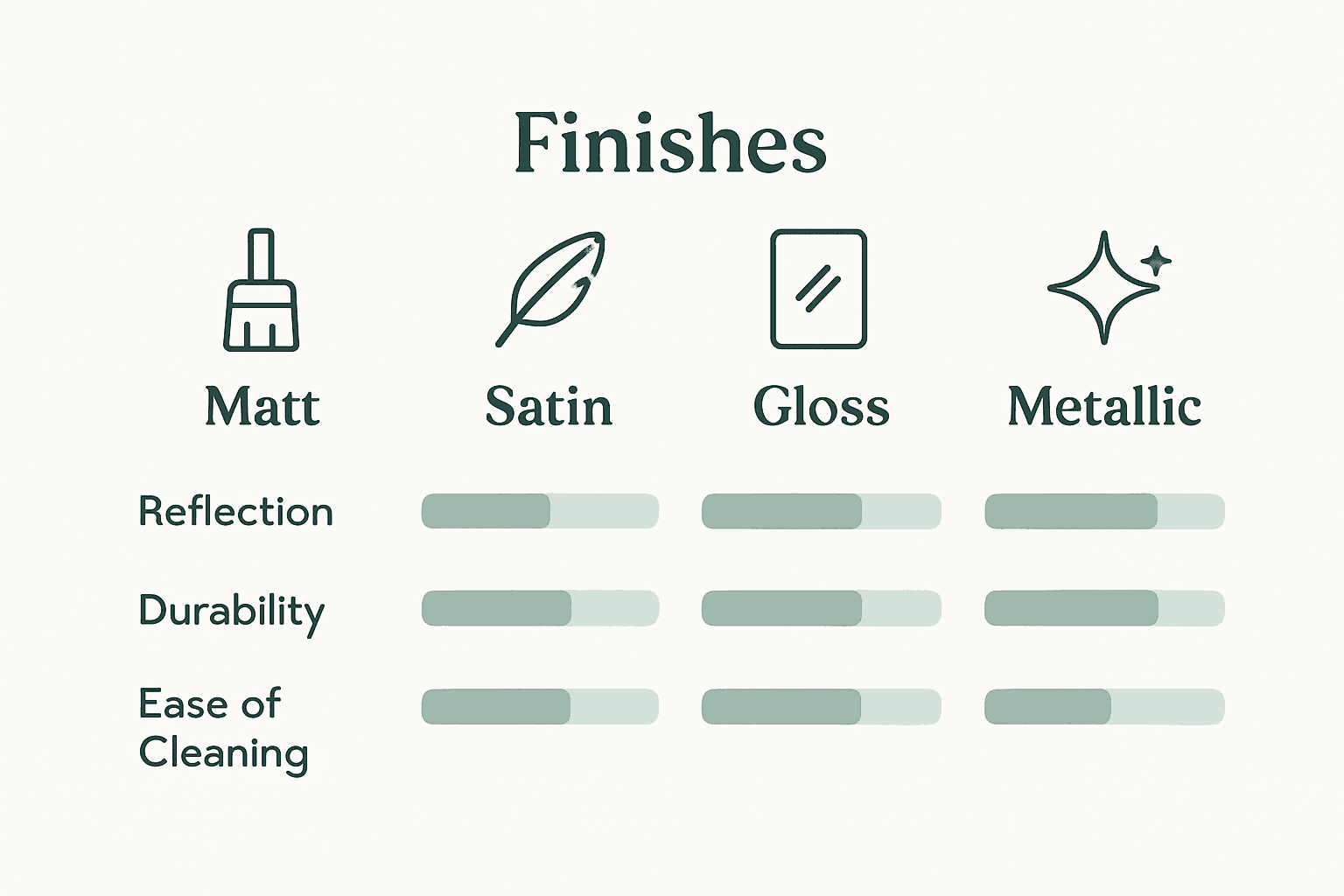 Gloss finishes provide the highest durability and cleanability, though they tend to highlight surface imperfections more prominently.
Practical Considerations for Kitchen Respraying
When selecting a finish, consider your kitchen’s specific environment and usage. Matte finishes work wonderfully in low-traffic areas and can create a sophisticated, understated look. Satin finishes offer a versatile compromise, providing moderate sheen and practical durability. Gloss finishes are ideal for modern, high-shine designs and areas requiring frequent cleaning. Explore our comprehensive kitchen respray best practices guide to make an informed decision that balances aesthetics with functionality.
Durability and Maintenance Considerations
Choosing the right kitchen respray finish isn’t just about aesthetics – durability and maintenance requirements are equally critical factors that can significantly impact your kitchen’s long-term appearance and performance. Understanding how different finishes withstand daily wear and cleaning will help you make an informed decision that protects your investment.
Performance Under Daily Use
According to HomeHow, different finishes offer varying levels of durability and cleaning resilience. Gloss finishes stand out as the most robust option, delivering exceptional durability and ease of cleaning – making them ideal for high-traffic kitchen areas that experience frequent cooking, spills, and intensive cleaning. Satin finishes provide a strong middle-ground, offering good resistance to scrubbing and wear, while matte finishes, though visually appealing, are the least durable and more challenging to maintain.
Cleaning and Maintenance Strategies
Each finish type demands a slightly different maintenance approach. Gloss finishes can typically withstand vigorous cleaning with standard kitchen degreasers and can be wiped down quickly. Satin finishes require more gentle cleaning techniques – using soft cloths and mild detergents to preserve their subtle sheen. Matte finishes are the most delicate, requiring careful cleaning to prevent wearing down the finish or creating shiny patches.
Long-Term Care Recommendations
To maximize the longevity of your kitchen respray, consider these maintenance tips:
- Use microfibre cloths for regular dusting and cleaning
- Avoid abrasive cleaning tools that can scratch the finish
- Clean spills immediately to prevent staining
- Use manufacturer-recommended cleaning products specific to your finish type
Learn more about kitchen maintenance in our comprehensive kitchen respray best practices guide. By understanding and implementing proper care techniques, you can ensure your kitchen respray remains vibrant, clean, and looking professional for years to come.
Costs, Timeframes, and Value Impact
Understanding the financial and temporal investment of a kitchen respray is crucial for homeowners considering this transformative home improvement option. Kitchen respraying offers a strategic alternative to full renovation, providing a cost-effective method to dramatically refresh your kitchen’s aesthetic without the extensive expense and disruption of a complete remodel.
Cost Analysis and Investment
According to Furniture & Kitchen Revolution, kitchen respraying in the UK typically ranges between £1,500 and £2,500, contingent on factors such as kitchen size and the number of doors requiring treatment. This price point represents a significant saving compared to a full kitchen replacement, which can easily exceed £10,000. The relatively modest investment translates into a substantial visual transformation that can breathe new life into your existing kitchen infrastructure.
Project Timeframe Expectations
When planning a kitchen respray, homeowners can anticipate a much shorter project duration compared to traditional renovations. Most professional respray projects can be completed within 2-5 days, minimizing household disruption. The streamlined process involves thorough surface preparation, precise spraying techniques, and careful finishing – all completed with minimal downtime for your kitchen’s functionality.
Long-Term Value and Return on Investment
A professional kitchen respray offers multiple value propositions beyond immediate aesthetic improvement:
- Increases property market appeal
- Protects existing kitchen surfaces from wear and degradation
- Provides a cost-effective alternative to full replacement
- Allows for complete colour and style transformation
Learn more about maximising your kitchen’s value through our comprehensive kitchen respray best practices guide. By strategically investing in a professional respray, you can significantly enhance your kitchen’s appearance and potential resale value with a fraction of the traditional renovation cost.
How to Choose the Right Finish
Selecting the perfect kitchen respray finish is a nuanced decision that requires careful consideration of both aesthetic preferences and practical functionality. Finish selection goes beyond mere visual appeal, encompassing factors like durability, maintenance requirements, and the specific characteristics of your kitchen space.
Understanding Your Kitchen’s Unique Requirements
According to HomeHow, the ideal finish depends on several critical factors. Satin finishes offer a versatile solution for high-traffic areas, providing a subtle sheen that balances aesthetics with practicality. Gloss finishes deliver maximum durability and are particularly suitable for kitchen doors and cabinets that endure frequent cleaning and handling. Matte finishes, while excellent at concealing surface imperfections, require more delicate maintenance.
Colour and Lighting Considerations
Vision Tendring magazine suggests that colour selection plays a crucial role in finish choice. Rich, dark colours often benefit from matte finishes, which create a sophisticated, non-reflective surface. Lighter and neutral tones work beautifully with satin finishes, as they reflect light more effectively and create a sense of depth and dimension in your kitchen space.
Practical Decision-Making Criteria
To choose the right finish, consider these key evaluation points:
- Assess your kitchen’s natural lighting conditions
- Evaluate daily usage and potential wear and tear
- Consider your cleaning and maintenance capabilities
- Reflect on your preferred aesthetic style
- Match the finish to your specific colour palette
Explore our comprehensive kitchen paint finish guide for more detailed insights. By carefully weighing these factors, you can select a kitchen respray finish that not only looks stunning but also stands up to the demands of daily life.
Transform Your Kitchen with the Perfect Respray Finish
Choosing the right finish type for your kitchen respray can be overwhelming. Whether you desire the sleek brightness of a gloss finish or the subtle elegance of satin or matt, you want a result that lasts and suits your daily needs. Common challenges include finding a finish that balances durability, maintenance, and the right light reflection to enhance your space. Our expert team understands these concerns and specialises in respraying kitchens in-situ with meticulous attention to finish details.

Discover how our professional kitchen respray service can bring your vision to life. Visit our Uncategorized Archives for insights and inspiration, then explore the full range of options on our main site at SKR Specialists. Don’t wait to refresh your kitchen with a finish tailored perfectly to your style and lifestyle. Contact us today and take the first step to a stunning, durable kitchen transformation.
Frequently Asked Questions
What are the different finish types available for kitchen respraying?
Kitchen respraying offers several finish types including matt, satin, gloss, and metallic. Each type varies in shine and durability, catering to different aesthetic preferences and practical needs in a kitchen.
How do gloss, satin, and matte finishes differ in terms of light reflection?
Gloss finishes reflect the most light, creating a highly polished, vibrant look. Satin finishes provide moderate light reflection for a soft sheen, while matte finishes reflect very little light, resulting in a non-reflective surface that effectively conceals imperfections.
Which kitchen respray finish is best for high-traffic areas?
Gloss finishes are ideal for high-traffic areas due to their exceptional durability and ease of cleaning. Satin finishes also provide a good balance of durability and maintainable appearance, while matte finishes are less durable and more challenging to clean.
How can I care for different kitchen respray finishes?
Care for gloss finishes by using standard kitchen degreasers and wiping them down easily. Satin finishes require gentle cleaning with soft cloths and mild detergents. For matte finishes, careful cleaning is necessary to avoid wear and shiny patches, using delicate methods to maintain their appearance.