
Kitchen Respray in Maintenance Cycles – Prolonging Lifespan
Most British homeowners want a stunning kitchen without the stress and expense of a full renovation. With kitchen respray services, you can renew surfaces and protect your investment while avoiding the hassle of complete replacements. In fact, professional resprays can deliver a refreshed look for less than 10 percent of the cost of a total kitchen overhaul, making it an attractive option for those seeking both value and style. Discover how maintenance cycles and modern techniques can keep your British kitchen looking its best.
Table of Contents
- Defining Kitchen Respray In Maintenance Cycles
- Types Of Kitchen Respray Services Explained
- Process And Timing Within Maintenance Cycles
- Cost Considerations And Value Analysis
- Comparing Respray To Replacement Options
Key Takeaways
| Point | Details |
|---|---|
| Cost-Effective Restoration | Kitchen resprays provide a budget-friendly alternative to full replacements, typically costing 10% or less of complete kitchen renovation expenses. |
| Proactive Maintenance Strategy | Regular respray assessments can extend surface longevity and aesthetics, integrating updates into standard home maintenance routines. |
| Minimised Disruption | On-site respray services allow for immediate kitchen use, contrasting with lengthy full replacements that disrupt household routines. |
| Environmental Benefits | Kitchen respraying reduces material waste and emissions associated with complete renovations, promoting sustainable home upkeep. |
Defining Kitchen Respray in Maintenance Cycles
A kitchen respray represents a strategic restoration technique designed to renew and protect kitchen surfaces without complete replacement. This process involves professionally applying specialised paint and protective coatings directly to existing kitchen elements like cabinets, worktops, and wall panels. Unlike traditional renovation methods, respray services offer a cost-effective and efficient alternative that extends kitchen aesthetics and functionality.
The maintenance cycle for kitchen resprays typically encompasses several critical stages of assessment, preparation, application, and ongoing care. Professionals carefully evaluate surface conditions, selecting appropriate paint systems that match the specific material substrate – whether laminate, wood, metal, or composite surfaces. Precision matters significantly, with technicians using specialised equipment to ensure uniform coverage, durability, and a factory-like finish that resists wear, moisture, and daily kitchen environmental challenges.
Understanding kitchen respray as part of a proactive maintenance strategy transforms how homeowners approach interior updates. Rather than committing to expensive full kitchen replacements, respray techniques allow targeted surface renewal. This approach addresses aesthetic degradation, minor surface damage, and colour fatigue while preserving the underlying kitchen infrastructure. Modern respray technologies enable colour transformations, finish upgrades, and protective enhancements that can dramatically extend a kitchen’s visual appeal and functional lifespan.
Pro Tip: Regular surface preparation and careful maintenance can extend your kitchen respray’s durability by up to 50%, ensuring long-lasting aesthetic and protective benefits through simple cleaning and periodic professional assessment.
Types of Kitchen Respray Services Explained
Kitchen respray services encompass a diverse range of professional restoration techniques designed to transform and protect kitchen surfaces. These specialised services offer homeowners flexible options for surface renewal, addressing varying kitchen renovation needs with precision and expertise.
Traditionally, kitchen respray services can be categorised into several distinct types. On-site respraying involves professional technicians applying specialised paint treatments directly within the kitchen environment, minimising disruption and allowing for immediate usage. Alternatively, workshop-based respraying requires cabinet and surface removal, enabling more comprehensive preparation and application processes. Professional kitchen respray costs typically start around £800 for smaller kitchens, with pricing influenced by factors such as surface complexity, material type, and required preparation work.
The primary service categories include cabinet respraying, worktop refinishing, and complete kitchen surface restoration. Cabinet respraying focuses on renewing cupboard facades, handling wooden, laminate, and MDF surfaces with specialised paint systems. Worktop refinishing addresses surface imperfections, colour changes, and protective coating applications. Complete kitchen surface restoration represents a comprehensive approach, treating multiple kitchen elements to create a cohesive, renewed aesthetic that extends beyond individual component treatments.
The table below outlines the major types of kitchen respray services available and their typical benefits:
| Service Type | Typical Surfaces Treated | Main Benefits |
|---|---|---|
| Cabinet Respraying | Wood, laminate, MDF units | Modern finish, colour restoration |
| Worktop Refinishing | Laminate, composite, wood | Repair minor damage, protective |
| Complete Surface Renewal | Cabinets, worktops, wall panels | Cohesive look, aesthetic upgrades |
Pro Tip: Request comprehensive surface assessment before committing to a respray service, ensuring technicians evaluate material compatibility, existing surface conditions, and recommended preparation techniques for optimal long-term results.
Process and Timing Within Maintenance Cycles
The maintenance cycle for kitchen resprays represents a strategic approach to surface preservation, involving carefully planned stages of assessment, preparation, and restoration. Kitchen respray scheduling requires systematic evaluation of surface conditions, wear patterns, and environmental factors that impact kitchen aesthetics and functionality.
Typically, the maintenance cycle encompasses four distinct phases: initial assessment, surface preparation, application, and post-application monitoring. The initial assessment involves comprehensive surface examination, identifying areas of wear, colour degradation, and potential structural issues. Surface preparation is critical, requiring thorough cleaning, minor repairs, and precise substrate conditioning to ensure optimal paint adhesion. The application phase demands meticulous technique, with professional technicians employing specialised equipment to achieve uniform coverage and durable finish.
Maintenance cycle intervals depend on multiple factors, including kitchen usage intensity, environmental conditions, and original surface material. High-traffic kitchens might require respray services every 5-7 years, while more carefully maintained spaces could extend intervals to 8-10 years. Key considerations include exposure to moisture, cooking frequencies, cleaning practices, and potential impact damage. Proactive homeowners often integrate respray assessments into their regular home maintenance schedules, treating surface renewal as a preventative strategy rather than a reactive intervention.
Pro Tip: Document your kitchen’s maintenance history, tracking previous respray treatments, surface conditions, and environmental exposures to develop a personalised maintenance strategy that maximises surface longevity and aesthetic performance.
Cost Considerations and Value Analysis
Kitchen respray services represent a strategic financial investment in home maintenance, offering a significantly more cost-effective alternative to complete kitchen renovations. Professional kitchen resprays can start from approximately £1,400, presenting homeowners with a budget-friendly solution for transforming kitchen aesthetics without the substantial expense of full replacement.
The value analysis of kitchen resprays extends beyond immediate monetary considerations. By preserving existing kitchen infrastructure, homeowners can avoid substantial replacement costs while achieving a refreshed appearance. Comparative cost evaluations reveal dramatic savings – a full kitchen replacement might exceed £15,000, whereas a comprehensive respray typically represents less than 10% of that investment. Additional financial benefits include minimal disruption to household routines, reduced material waste, and the ability to dramatically update kitchen appearance without structural modifications.
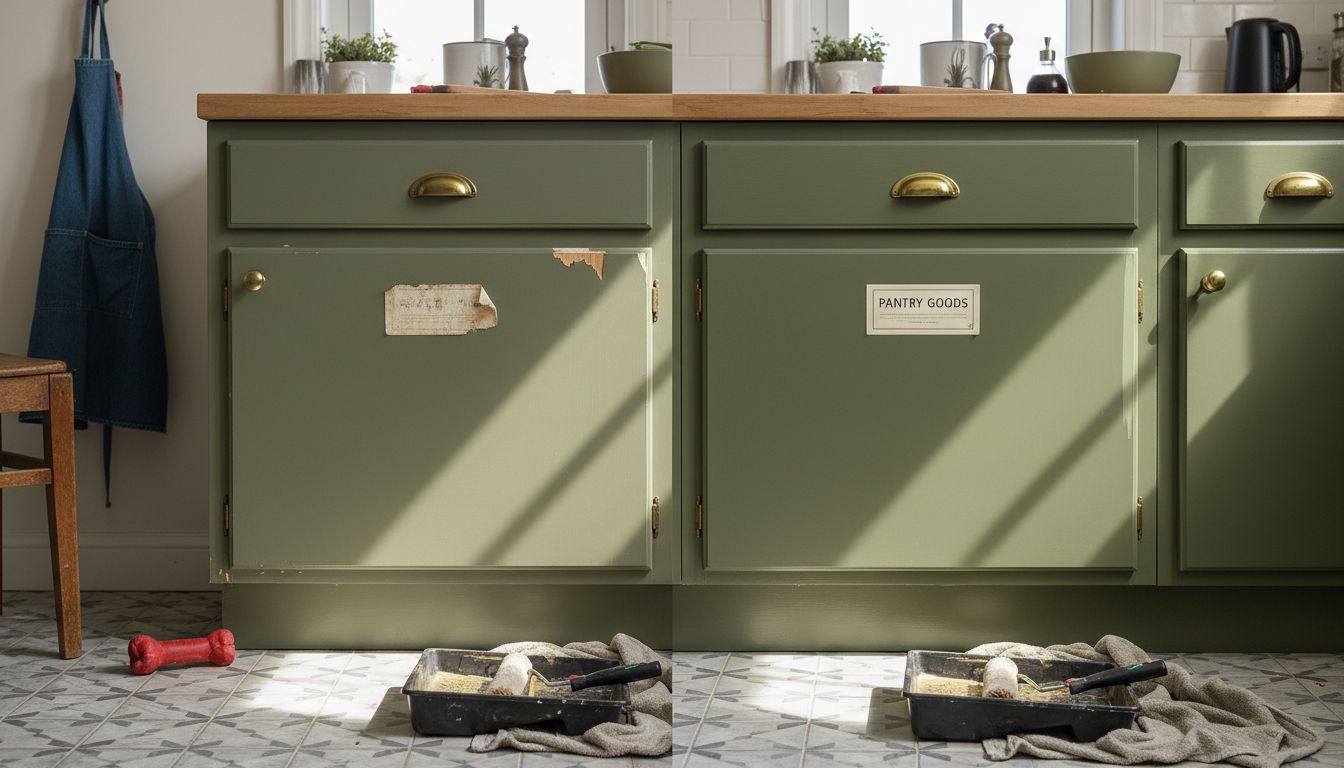
Cost considerations involve multiple variables including kitchen size, surface complexity, material types, and desired finish quality. Factors influencing pricing include the number of cabinet units, worktop surfaces, required preparation work, and specific paint system specifications. Homeowners should anticipate variations based on kitchen dimensions, with smaller spaces potentially requiring more precision and detailed work despite reduced overall surface area. Understanding kitchen respraying costs requires comprehensive consultation to evaluate specific project parameters and potential long-term value preservation.
Pro Tip: Request detailed written quotes from multiple professional respray services, ensuring comprehensive breakdown of preparation, application, and finishing costs to make an informed financial decision.
Comparing Respray to Replacement Options
Kitchen renovation strategies present homeowners with critical decisions about surface restoration, with respray and full replacement representing two distinctly different approaches to kitchen transformation. Understanding the nuanced comparison between kitchen respray and complete replacement reveals significant strategic and financial implications for property maintenance.
Respray services fundamentally differ from full replacement in multiple dimensions. Complete kitchen replacement involves comprehensive removal of existing units, structural modifications, and installation of entirely new cabinetry, worktops, and potentially appliances. This approach typically requires substantial financial investment, extensive labour, and significant disruption to household routines. In contrast, kitchen respraying preserves existing infrastructure, focusing on surface renewal through specialised paint application techniques that dramatically transform aesthetic appearance while maintaining original structural integrity.
Key comparative factors include cost, time investment, environmental impact, and potential property value enhancement. Full kitchen replacements can cost upwards of £15,000 and require weeks of installation, whereas professional resprays represent a fraction of that expense and can be completed within days. Environmentally conscious homeowners increasingly favour respray options due to reduced material waste, minimal structural intervention, and the ability to extend the lifecycle of existing kitchen components. Moreover, respray techniques offer remarkable versatility, enabling colour transformations, finish upgrades, and surface restoration without the complexity and expense associated with complete kitchen reconstruction.

Here is a summary comparing kitchen respray and full kitchen replacement to highlight their key differences:
| Aspect | Kitchen Respray | Full Replacement |
|---|---|---|
| Cost | Typically £800–£1,400 | Usually £15,000 or more |
| Project Duration | 2–5 days | Several weeks |
| Environmental Impact | Minimal waste, low emissions | High waste, more resources used |
| Household Disruption | Low, kitchen often usable | High, kitchen out of action |
| Value Preservation | Extends lifespan of surfaces | Completely new infrastructure |
| Design Flexibility | Colour and finish updates | Full layout and material changes |
Pro Tip: Conduct a comprehensive evaluation of your kitchen’s current condition, considering factors like structural integrity, surface damage, and aesthetic goals before deciding between respray and full replacement to ensure the most cost-effective and suitable renovation approach.
Extend Your Kitchen’s Life with Expert Respray Solutions
Struggling with worn surfaces and fading colours in your kitchen? This article highlights how kitchen respray within maintenance cycles can refresh your space without costly replacements. If you want to avoid disruption and achieve a durable, factory-like finish with minimal waste, our professional respray services deliver exactly that. We specialise in in-situ kitchen resprays that preserve your existing cabinets and worktops while giving them a stunning new look.

Explore more about our approach on the Uncategorized Archives page where we share expert tips and service details. Ready to rejuvenate your kitchen now without the headache of full renovation The time to act is before wear and tear worsen. Visit https://skrspecialists.co.uk today and request your free consultation for a tailored kitchen respray plan. Transform your kitchen and protect your investment with our trusted maintenance solutions.
Frequently Asked Questions
What is a kitchen respray?
A kitchen respray is a restoration technique that involves applying specialised paint and protective coatings to existing kitchen surfaces, such as cabinets and worktops, to renew their appearance and extend their lifespan without complete replacement.
How often should I consider a kitchen respray?
The timing for a kitchen respray typically depends on kitchen usage and surface conditions. High-traffic kitchens may require resprays every 5-7 years, while more carefully maintained spaces can extend the interval to 8-10 years.
What are the benefits of choosing a kitchen respray over full replacement?
Choosing a kitchen respray is usually more cost-effective, takes less time to complete, and reduces environmental impact by minimising material waste. It also preserves the existing kitchen infrastructure while transforming its aesthetic appearance.
How can I prolong the lifespan of my kitchen respray?
Prolonging the lifespan of your kitchen respray can be achieved through regular surface preparation and maintenance, including simple cleaning and scheduling periodic professional assessments to ensure the surface remains in optimal condition.