
Kitchen Respray Safety – Minimising Health Risks at Home
Most British homeowners want a refreshed kitchen without facing the dust, mess, and disruption of a full renovation. With kitchen respraying, you can safely update your space at a fraction of the cost of replacing units, but safety standards are crucial. Up to 60 percent of reported kitchen respray issues in England link directly to poor safety practices. This guide explains what every British homeowner should know about making smart, safe decisions when planning a kitchen respray.
Table of Contents
- Understanding Kitchen Respray Safety Standards
- Common Spray Types And Associated Hazards
- Essential Protective Measures For Homeowners
- Uk Regulations Governing Respray Chemicals
- Minimising Risks Of In-Situ Kitchen Resprays
Key Takeaways
| Point | Details |
|---|---|
| Understanding Safety Standards | Homeowners should work with certified technicians who are knowledgeable about kitchen respray safety standards, including chemical handling and ventilation protocols. |
| Protective Measures | Implement a multi-layered safety approach that includes appropriate personal protective equipment and environmental controls to minimise chemical exposure risks. |
| Regulatory Compliance | Request documentation confirming compliance with UK regulations (COSHH) from kitchen respray providers to ensure safe and effective practices. |
| Risk Assessment | Conduct a thorough risk assessment before starting a kitchen respray to identify hazards and develop strategies to mitigate exposure and ensure safety. |
Understanding Kitchen Respray Safety Standards
Kitchen respray safety standards are critical for protecting homeowners during renovation processes. Professional guidelines outline specific requirements to minimise health risks associated with painting and refinishing kitchen surfaces. Kitchen paint safety standards in the United Kingdom mandate comprehensive protective measures that go beyond basic application techniques.
Under occupational safety regulations, specific protocols govern spray finishing operations. The Health and Safety Executive (HSE) requires precise containment and ventilation strategies to prevent chemical exposure. Spray operations standards emphasise controlling vapour dispersal, ensuring proper personal protective equipment usage, and managing potential respiratory hazards during kitchen respraying processes.
Key safety considerations include understanding chemical composition, implementing adequate ventilation, and selecting appropriate protective gear. Professionals must assess surface materials, chemical interactions, and potential environmental risks before commencing any kitchen respray project. Homeowners should prioritise working with certified technicians who comprehend these intricate safety requirements and can execute procedures that minimise potential health risks.
Pro tip: Always request a comprehensive safety protocol document from your kitchen respray professional that details chemical types, ventilation strategies, and specific protective measures used during the refinishing process.
Common Spray Types and Associated Hazards
Kitchen resprays involve multiple spray types, each presenting unique health and safety challenges. Comprehensive chemical databases reveal significant variations in toxicological profiles across different spray materials used in domestic refinishing projects. Understanding these variations is crucial for homeowners seeking safe renovation solutions.
The most common spray types in kitchen refinishing include solvent-based enamels, water-based acrylics, and epoxy-based coatings. Each category carries distinct risks ranging from volatile organic compound (VOC) emissions to potential respiratory irritants. Hazardous chemical interactions become particularly dangerous when inexperienced individuals mix or apply these materials without proper protective equipment and ventilation.
Here is a comparison of common kitchen spray types and the main hazards they present:
| Spray Type | Typical Use | Key Hazard | Recommended Protection |
|---|---|---|---|
| Solvent-based enamel | Durable surface finishes | High VOC emission risk | Full respirator, gloves |
| Water-based acrylic | General decorative coating | Lower VOCs, some skin irritants | Standard mask, goggles |
| Epoxy-based coating | High-traffic areas | Strong chemical reactivity | Chemical suit, ventilation |
Professional kitchen respray technicians must carefully assess chemical compatibility, surface preparation requirements, and potential environmental interactions. Factors such as room temperature, humidity, and substrate composition can significantly influence spray application safety and long-term durability. Homeowners should prioritise working with professionals who demonstrate comprehensive understanding of these complex chemical dynamics and can provide transparent safety documentation.
Pro tip: Request a detailed chemical safety data sheet for each spray material being used in your kitchen respray project to understand specific health risks and recommended protective measures.
Essential Protective Measures for Homeowners
Comprehensive protection guidelines are critical when undertaking kitchen respray projects. Homeowners must implement a multi-layered safety approach that addresses potential chemical exposure risks through strategic personal protective equipment (PPE) and environmental control strategies. Understanding and executing these protective measures can significantly reduce health hazards associated with spray painting processes.
Key protective measures include wearing appropriate respiratory protection, such as professional-grade masks with activated carbon filters that block volatile organic compounds and microscopic paint particles. Full-body coverage with disposable protective suits, chemical-resistant gloves, and safety goggles creates a comprehensive barrier against potential skin and eye contamination. Safe chemical handling protocols emphasise the importance of creating physical barriers between the body and potentially harmful spray materials.

Environmental protection is equally crucial during kitchen respraying. Homeowners should ensure maximum ventilation by opening windows, using industrial-grade exhaust fans, and creating negative air pressure zones to prevent chemical particulate spread. Sealing off adjacent rooms, covering food preparation surfaces, and removing sensitive items like electronic equipment can minimise cross-contamination risks. Professional technicians typically implement comprehensive containment strategies that go beyond basic home protection measures.
Pro tip: Create a dedicated ‘decontamination zone’ near your workspace with a change of clothes, cleaning supplies, and a method to safely dispose of protective equipment after completing your kitchen respray project.
UK Regulations Governing Respray Chemicals
Chemical safety regulations in the United Kingdom establish rigorous standards for managing potentially hazardous substances used in kitchen respraying processes. The Control of Substances Hazardous to Health (COSHH) framework provides comprehensive guidelines that mandate strict protocols for chemical handling, storage, and application in domestic and professional environments.
Under these regulations, kitchen respray professionals must conduct detailed risk assessments that evaluate potential health impacts of chemical interactions. Mandatory requirements include maintaining comprehensive safety data sheets, providing appropriate personal protective equipment, and implementing robust control measures to minimise exposure risks. Food safety regulations further complement these standards by ensuring that chemical treatments do not compromise kitchen hygiene or introduce contamination risks to food preparation surfaces.
The regulatory landscape demands meticulous documentation and adherence to safety protocols. Professionals must demonstrate compliance through systematic record-keeping, staff training certifications, and ongoing risk management strategies. These regulations not only protect workers and homeowners but also establish a structured approach to managing chemical risks in kitchen renovation projects, ensuring both safety and quality of service.
The table below summarises critical UK regulations governing kitchen respray safety:
| Regulation/Standard | Primary Requirement | Impact on Homeowners |
|---|---|---|
| COSHH | Comprehensive risk assessment | Ensures safe chemical handling |
| HSE Guidelines | Proper ventilation and containment | Reduces exposure to spray fumes |
| Food Safety Laws | Prevents surface contamination | Protects kitchen hygiene |
Pro tip: Request a detailed compliance documentation from your kitchen respray provider, confirming their adherence to COSHH regulations and comprehensive safety management procedures.
Minimising Risks of In-Situ Kitchen Resprays
Comprehensive risk assessment strategies.pdf) are fundamental to ensuring safety during in-situ kitchen resprays. Homeowners must adopt a systematic approach that identifies potential hazards, evaluates exposure risks, and implements robust control measures before commencing any refinishing project. This methodical process helps prevent chemical exposure and minimise potential health complications associated with spray painting in occupied living spaces.
The five-step risk assessment framework provides a structured methodology for managing potential dangers. Hazard identification involves meticulously examining chemical products, understanding their properties, and assessing potential interactions with kitchen surfaces and environmental conditions. Professionals must evaluate who might be exposed, including residents, pets, and neighbouring occupants, and develop targeted protective strategies. Innovative technological solutions are emerging that could potentially reduce human exposure during kitchen respraying processes, suggesting a future where automated systems might minimise direct chemical contact.
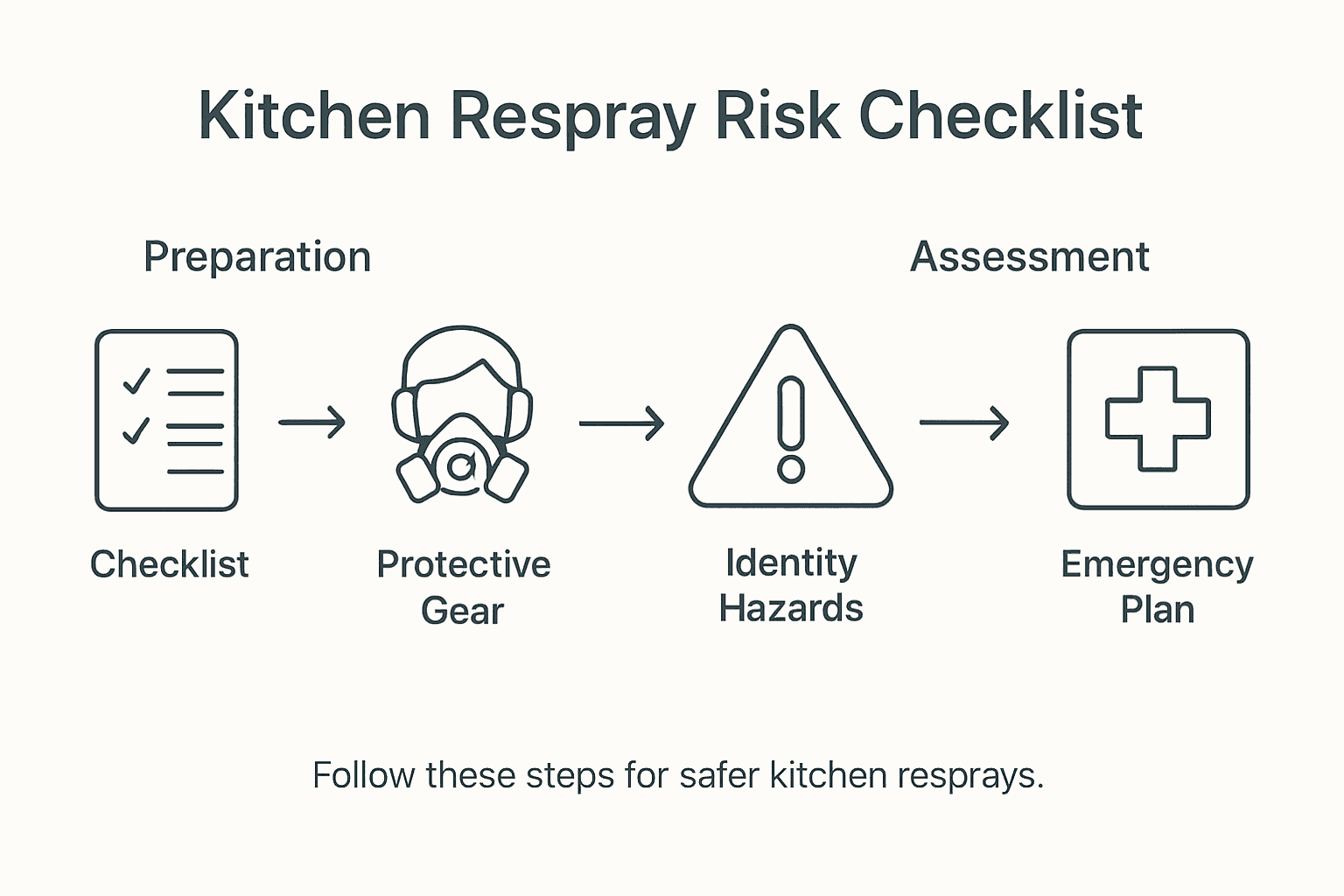
Practical risk mitigation requires comprehensive preparation and strict adherence to safety protocols. This includes creating effective ventilation systems, establishing clear containment zones, using appropriate personal protective equipment, and ensuring thorough cleaning and decontamination procedures. Homeowners should work closely with certified professionals who demonstrate a rigorous approach to managing in-situ respray risks, prioritising both aesthetic outcomes and occupant safety.
Pro tip: Create a detailed written safety plan before beginning your kitchen respray, documenting specific risk management steps and emergency protocols.
Protect Your Home with Expert Kitchen Respray Services
The article highlights key challenges homeowners face when undertaking kitchen resprays such as chemical exposure, ventilation concerns and the importance of adhering to UK safety regulations like COSHH. These safety risks can feel overwhelming without professional support and proper safety measures. At SKR Specialists, we understand these critical pain points and prioritise rigorous safety protocols to minimise health risks during in-situ kitchen resprays. Our certified technicians ensure full compliance with safety standards, use appropriate protective equipment and implement expertly designed ventilation solutions.

Discover how our professional kitchen respray service can transform your space safely and effectively. Visit our Uncategorized Archives to learn more about our approach and view real case examples. Take the first step by contacting us through our main site at SKR Specialists. Protect your family’s health while refreshing your kitchen today with expert care you can trust.
Frequently Asked Questions
What are the key safety standards for kitchen respraying?
Kitchen respraying safety standards focus on minimising health risks by incorporating protective measures such as proper ventilation, use of personal protective equipment, and adherence to occupational safety regulations.
What protective gear should I use during a kitchen respray?
It is recommended to wear a professional-grade mask with activated carbon filters, disposable protective suits, chemical-resistant gloves, and safety goggles to ensure comprehensive protection against spray material hazards.
How do different spray types in kitchen refinishing impact health risks?
Different spray types, such as solvent-based enamels, water-based acrylics, and epoxy-based coatings, carry varying levels of health risks. For instance, solvent-based enamels emit high levels of volatile organic compounds (VOCs), while water-based options may have lower risks but can still cause skin irritations.
What steps should I take to ensure effective ventilation during a kitchen respray?
To maximise ventilation, open windows, use industrial-grade exhaust fans, and consider creating negative air pressure zones to prevent chemical particulate spread. It’s also essential to seal off adjacent rooms and cover sensitive surfaces to minimise contamination.