
What Is Kitchen Enamel Paint? Complete Guide UK
Over 60 percent of british households now choose specialised paint to cope with busy kitchen routines. Kitchens face constant threats from splashes, steam, and frequent wiping, so ordinary wall paint rarely stands the test of time. Kitchen enamel paint promises greater durability and resistance than standard options, bringing lasting protection and a smoother finish that homeowners need for high-traffic cooking spaces.
Table of Contents
- Defining Kitchen Enamel Paint And Its Uses
- Types Of Enamel Paint For Kitchens
- Key Properties And Benefits Explained
- Application Process For In-Situ Respraying
- Costs, Risks And Common Mistakes To Avoid
- Kitchen Enamel Paint Versus Other Finishes
Key Takeaways
| Point | Details |
|---|---|
| Durability and Resistance | Kitchen enamel paint offers exceptional durability, moisture resistance, and stain protection, making it ideal for high-traffic kitchen areas. |
| Types of Enamel | There are three main types of kitchen enamel paint: water-based, oil-based, and hybrid, each offering unique advantages suited to various surfaces. |
| Professional Respraying Benefits | In-situ kitchen respraying is a cost-effective method that transforms surfaces with minimal disruption, completed typically within 2-3 days. |
| Common Mistakes | Homeowners must ensure thorough surface preparation to avoid poor adhesion, uneven finishes, and premature paint failure during application. |
Defining Kitchen Enamel Paint and Its Uses
Kitchen enamel paint is a specialised coating designed specifically for kitchen surfaces, offering durability, moisture resistance, and a smooth finish that can transform your culinary space. Unlike standard wall paints, kitchen enamel provides superior protection against grease, heat, and frequent cleaning, making it an ideal solution for high-traffic areas prone to splashes, stains, and daily wear.
The primary characteristics of kitchen enamel paint include its hard-wearing composition and exceptional adhesion properties. Typically formulated with advanced resins and pigments, this paint creates a robust protective layer that can withstand temperature fluctuations, humidity, and regular cleaning. Homeowners seeking a long-lasting solution for kitchen cabinets, walls, and other surfaces will find kitchen enamel paint particularly beneficial. Types of Kitchen Paint Every UK Homeowner Should Know provides additional insights into selecting the right paint for different kitchen areas.
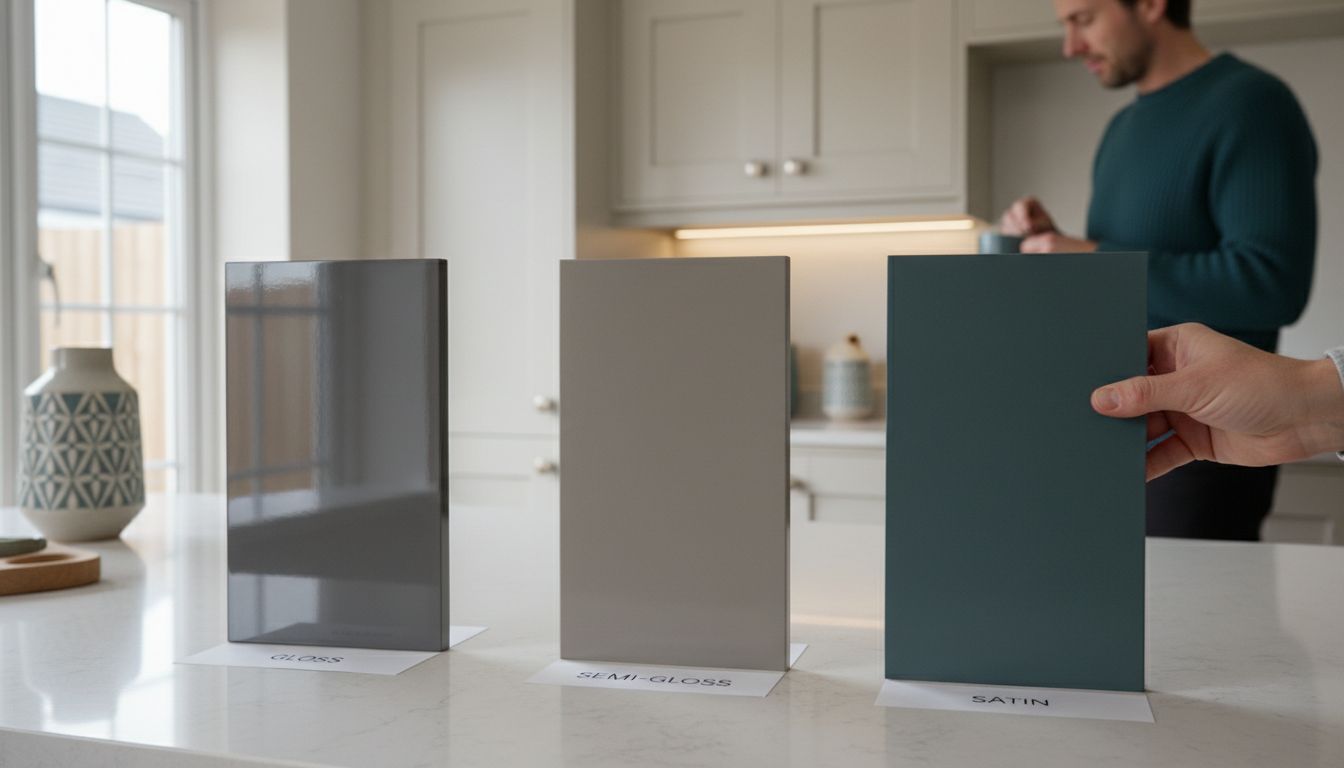
Kitchen enamel paint comes in various finishes, including gloss, semi-gloss, and satin, each offering unique aesthetic and functional benefits. Gloss finishes provide a high-shine appearance and are exceptionally easy to clean, making them perfect for cabinets and high-traffic areas. Semi-gloss options offer a balanced look with good washability, while satin finishes provide a softer, more muted appearance that can help hide minor surface imperfections. The versatility of kitchen enamel paint allows homeowners to achieve both practical protection and desired visual appeal in their kitchen spaces.
Types of Enamel Paint for Kitchens
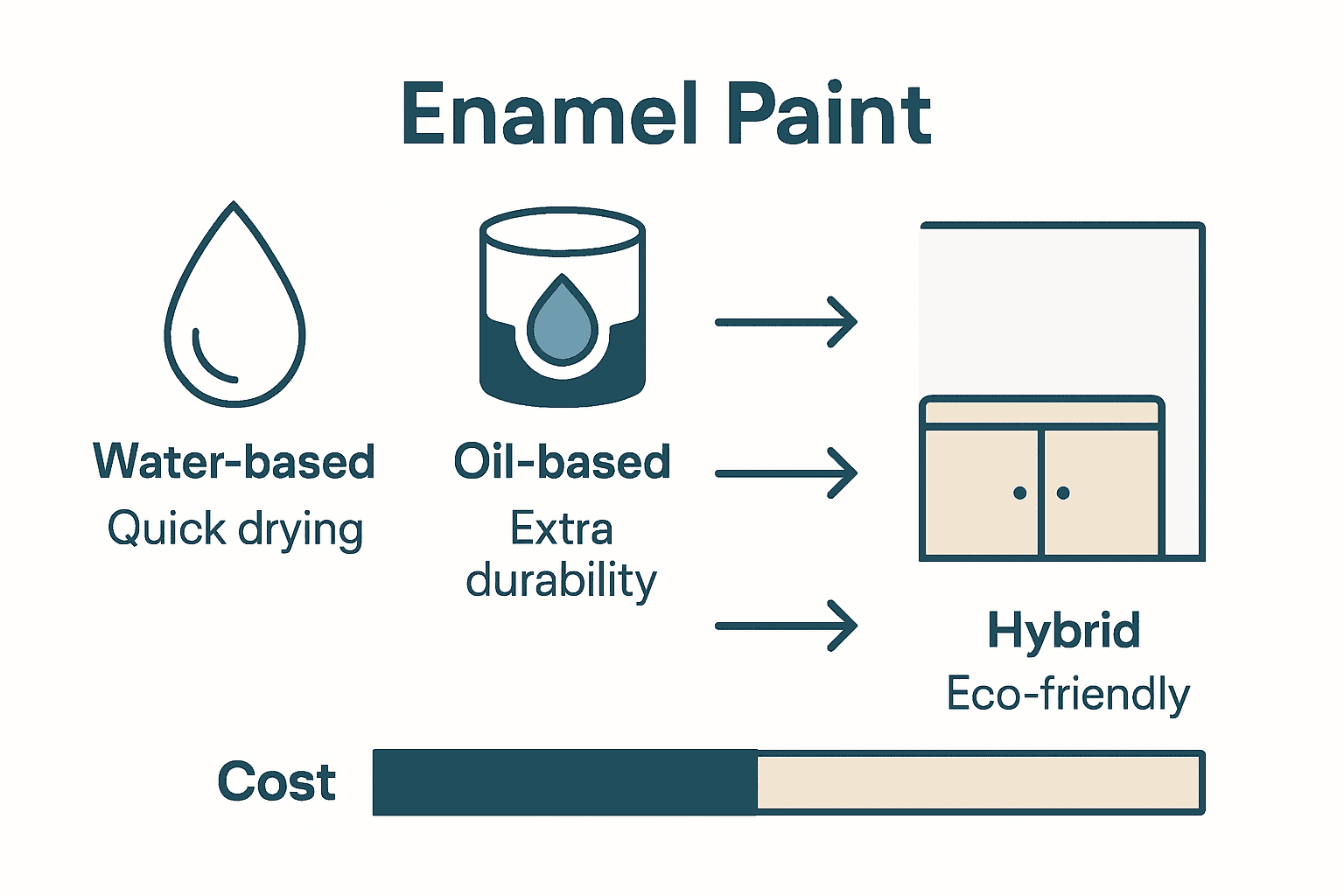
Kitchen enamel paints are categorised into three primary types based on their finish and performance characteristics: water-based enamel, oil-based enamel, and hybrid enamel paints. Each type offers unique advantages for different kitchen surfaces and homeowner preferences, allowing for targeted solutions that balance aesthetic appeal with practical functionality. Kitchen Paint Finish Guide for a Flawless Update provides comprehensive insights into selecting the most appropriate paint type.
Water-based enamel paints represent a modern, eco-friendly option with low volatile organic compound (VOC) emissions. These paints dry quickly, offer excellent colour retention, and provide a smooth finish ideal for kitchen walls and cabinets. They are particularly beneficial for homeowners seeking easy cleanup and minimal odour during application. Oil-based enamels, while more traditional, deliver exceptional durability and a superior smooth finish that resists chipping and wear. These paints excel in high-moisture environments and provide a robust protective layer for frequently used kitchen surfaces.
Hybrid enamel paints combine the best characteristics of water-based and oil-based formulations, offering a versatile solution for complex kitchen painting projects. These advanced paint types provide enhanced adhesion, faster drying times, and superior resistance to temperature fluctuations and moisture. Homeowners can choose from various finishes including gloss, semi-gloss, and satin, each delivering unique aesthetic and protective properties tailored to specific kitchen design requirements and functional needs.
Key Properties and Benefits Explained
Kitchen enamel paint distinguishes itself through a remarkable set of performance characteristics that make it an exceptional choice for demanding kitchen environments. The primary benefits include superior durability, moisture resistance, and aesthetic versatility, addressing the unique challenges of high-traffic culinary spaces. Kitchen Respray Finish Types: Complete UK Guide highlights the critical importance of selecting paint that can withstand daily kitchen demands.
The key properties of kitchen enamel paint encompass several critical performance metrics. Moisture resistance stands out as a primary attribute, with advanced formulations creating a protective barrier against steam, splashes, and humidity that typically compromise standard wall paints. The paint’s exceptional adhesion properties ensure long-lasting coverage on diverse surfaces including wooden cabinets, ceramic tiles, and metal fixtures. Additionally, these paints offer remarkable stain resistance, preventing grease, food splatters, and cooking residues from permanently marking kitchen surfaces.
Another significant benefit of kitchen enamel paint is its thermal stability and easy maintenance. The paint can withstand temperature fluctuations from cooking activities, maintaining its colour and finish integrity even in areas near ovens, stovetops, and other heat-generating appliances. Homeowners appreciate the minimal maintenance requirements, as these paints can be easily cleaned with standard household cleaning products without compromising the paint’s finish or colour vibrancy. This combination of durability, aesthetic appeal, and practical functionality makes kitchen enamel paint an intelligent investment for those seeking to refresh and protect their kitchen surfaces.
Application Process for In-Situ Respraying
The in-situ kitchen respraying process is a sophisticated technique that transforms existing kitchen surfaces without the need for complete replacement. Complete Guide to Kitchen Respray Best Practices outlines the critical steps professional technicians follow to achieve a flawless, durable finish. This method involves meticulously preparing the existing surfaces, applying specialized enamel paint directly where the kitchen components are installed, minimising disruption and reducing overall renovation time.
Professional in-situ respraying begins with comprehensive surface preparation. Technicians carefully clean and degrease all surfaces, removing years of accumulated grime and ensuring optimal paint adhesion. This involves using specialized degreasing agents and sanding techniques to create a smooth, even surface that allows the enamel paint to bond effectively. Critical steps include repairing any minor imperfections, filling small cracks or chips, and creating a uniform base that will support the new paint finish.
The actual application process requires precision and professional-grade equipment. Skilled technicians use high-quality spray equipment to apply kitchen enamel paint in controlled, thin layers that create a smooth, even finish. This method allows for complete coverage of intricate surfaces like cabinet doors, drawer fronts, and fixed kitchen elements, ensuring a consistent appearance across all surfaces. The in-situ approach means minimal disruption to your kitchen, with most projects completed within 2-3 days, compared to weeks of traditional renovation work.
Homeowners benefit from a cost-effective solution that dramatically transforms their kitchen’s appearance without the expense and inconvenience of full replacement.
Costs, Risks and Common Mistakes to Avoid
Kitchen enamel paint respraying involves several financial and technical considerations that homeowners must carefully evaluate. Kitchen Painting vs Kitchen Spraying Explained highlights the nuanced differences between various painting approaches and their associated cost implications. The average UK kitchen respray typically ranges from £1,200 to £3,500, depending on kitchen size, surface complexity, and the level of preparation required.
Common mistakes during kitchen enamel painting can significantly compromise the final result. Inadequate surface preparation remains the most critical error, with homeowners often underestimating the importance of thorough cleaning, degreasing, and surface repair. Potential risks include poor paint adhesion, uneven finishes, premature paint failure, and visible imperfections. Critical mistakes to avoid include skipping proper sanding, using incorrect primer types, applying paint in inappropriate environmental conditions, and attempting DIY techniques without professional-grade equipment.
Financial risks extend beyond initial project costs. Poorly executed kitchen resprays can potentially reduce property value and necessitate expensive full replacements. Professional technicians recommend investing in high-quality enamel paint and skilled application to prevent long-term financial complications. Budget-conscious homeowners should prioritize professional assessment and comprehensive preparation over attempting cost-cutting measures that might compromise the final finish. Understanding these potential pitfalls helps ensure a successful kitchen transformation that provides lasting aesthetic and functional benefits.
Kitchen Enamel Paint Versus Other Finishes
Kitchen enamel paint stands distinctly apart from traditional paint finishes, offering superior performance characteristics that make it the premier choice for kitchen surfaces. What Is Kitchen Paint Durability? Complete Overview provides comprehensive insights into how different paint types compare in challenging kitchen environments. Unlike standard wall paints or latex finishes, kitchen enamel paint delivers exceptional resistance to moisture, temperature variations, and daily wear and tear.
When compared to standard emulsion or acrylic paints, kitchen enamel demonstrates remarkable advantages. Durability is the most significant differentiator, with enamel paint providing a hard, protective shell that withstands frequent cleaning, grease exposure, and mechanical stress. Standard emulsion paints typically deteriorate quickly in kitchen environments, showing signs of wear within months, whereas enamel paint maintains its finish and appearance for several years. The superior adhesion properties of enamel paint mean it bonds more effectively with surfaces like wooden cabinets, metal fixtures, and ceramic tiles, creating a more resilient and long-lasting finish.
The performance metrics further distinguish kitchen enamel paint from alternative finishes. While traditional paints might require complete reapplication after 2-3 years, high-quality enamel paint can maintain its aesthetic and protective qualities for 5-7 years with proper application. The paint’s ability to resist yellowing, maintain colour vibrancy, and provide a smooth, wipeable surface makes it substantially more cost-effective in the long term. Homeowners seeking a practical, durable solution for their kitchen surfaces will find kitchen enamel paint offers unparalleled protection and aesthetic appeal compared to conventional painting methods.
Give Your Kitchen the Durable Finish It Deserves
Struggling with dull, worn surfaces that just won’t stand up to daily kitchen challenges like moisture, grease and heat The complete guide to kitchen enamel paint shows why choosing the right paint is key to a long-lasting and vibrant kitchen. If you want to avoid common mistakes and enjoy a scratch and stain-resistant finish then expert in-situ kitchen respraying is the solution you need. Discover how professional preparation and advanced enamel coatings can transform your kitchen quickly without the disruption of a full renovation with our Uncategorized Archives – WordPress insights.

Explore how we apply specialist enamel paints that are built to last at https://skrspecialists.co.uk. Don’t wait until worn surfaces spoil your kitchen’s look and functionality. Contact us today for a free consultation and experience the benefits of a flawless respray that protects your kitchen from wear and tear for years. Learn more about our expert approach and kitchen respray finishes by visiting our landing page.
Frequently Asked Questions
What is kitchen enamel paint?
Kitchen enamel paint is a specialised coating designed for kitchen surfaces, known for its durability, moisture resistance, and smooth finish. It protects against grease, heat, and frequent cleaning, making it suitable for high-traffic areas.
What are the main types of kitchen enamel paint?
The main types of kitchen enamel paint include water-based enamel, oil-based enamel, and hybrid enamel. Each type offers unique advantages, such as eco-friendliness (water-based), exceptional durability (oil-based), or a combination of both (hybrid).
How do I properly prepare surfaces before applying kitchen enamel paint?
Proper surface preparation involves cleaning and degreasing all surfaces, sanding to create a smooth base, and repairing any imperfections. Thorough preparation is essential for optimal paint adhesion and a flawless finish.
What are the benefits of using kitchen enamel paint over standard wall paint?
Kitchen enamel paint offers superior durability, moisture resistance, and easier maintenance compared to standard wall paint. It maintains its finish longer, resists chipping and wear, and is better suited for the challenging conditions found in kitchens.
Recommended
- 7 Types of Kitchen Paint Every UK Homeowner Should Know – WordPress
- What Is Kitchen Paint Durability? Complete Overview – WordPress
- Kitchen Paint Finish Guide for a Flawless Update – WordPress
- The Essential Guide to Paint in Kitchen Renovation – WordPress
- Elevate Your Cooking Game with This Kitchen Must-Have – Wispa Luxury