
Matte Finish Surfaces – Impact on UK Kitchens
Noticing every fingerprint and splash on glossy kitchen cabinets can quickly become frustrating for British homeowners. In a busy kitchen, surfaces are constantly tested by spills, knocks, and everyday wear. Choosing a matte finish brings a distinctive visual elegance and real practicality, thanks to its ability to scatter light and minimise reflections. This introduction demystifies the chemistry behind matte surfaces, highlights how they conceals marks, and explains why matte finishes are increasingly preferred for modern, hardworking kitchens.
Table of Contents
- Defining Matte Finish In Kitchen Design
- Types Of Matte Kitchen Surface Applications
- Durability And Everyday Performance Factors
- Cleaning, Maintenance, And Longevity Tips
- Matte Finish Versus Gloss: Key Differences
Key Takeaways
| Point | Details |
|---|---|
| Matte Finish Characteristics | Matte finishes scatter light, creating a soft, non-reflective appearance, making them ideal for contemporary kitchen designs. |
| Practical Benefits | They are less prone to showing fingerprints and water marks, resulting in simpler maintenance in high-traffic kitchen environments. |
| Durability and Maintenance | Modern matte formulations are durable and chemical-resistant, ensuring long-lasting performance with appropriate care. |
| Choosing Between Finishes | Select matte finishes for a sophisticated look that conceals imperfections, while gloss is better for maximum stain resistance and a bright appearance. |
Defining Matte Finish in Kitchen Design
A matte finish is fundamentally about how light behaves on a surface. Rather than bouncing off in a mirror-like reflection, matte surfaces scatter light diffusely, creating that soft, non-reflective appearance you see on modern kitchen cabinetry across the UK. This happens because of micro-scale texture on the surface, which causes light rays to bounce in different directions instead of reflecting straight back at your eye. Think of it like the difference between a still pond and a choppy sea, the water’s texture determines whether you see a clear reflection or a broken, scattered image.
What makes matte finishes particularly practical for British kitchens is their scientific composition. Unlike a dull or underfired surface, a true matte finish results from deliberate formulation using pigments with less resin binder in the paint. This creates very low gloss levels, typically less than 10% gloss at a 60-degree angle, making the surface genuinely flat with no reflections. You won’t see distorted images of your kitchen lighting or water spots catching in odd ways, which is precisely why homeowners choose matte over glossy options in areas prone to smudges and splashes.
In kitchen design specifically, this flat, subdued visual effect serves multiple purposes. Matte finishes feel contemporary and elegant without the sometimes industrial appearance of high-gloss surfaces. They work beautifully in both minimalist kitchens and traditional settings, adapting to your aesthetic without demanding attention. The surface absorbs light rather than throwing it back, creating a calm, finished look that many UK homeowners find more sophisticated than shinier alternatives.
The practical benefit extends beyond appearance. Because matte finishes don’t create reflections, fingerprints and water marks appear far less obvious than they would on glossy surfaces. This makes maintenance considerably simpler in a hardworking kitchen environment, where daily use includes splashing, touching, and occasional spills. When you understand the chemistry behind these microcrystalline structures, you recognise that matte isn’t simply “less shiny” but rather a deliberately engineered surface property that delivers real functional advantages.
Pro tip: When choosing a matte finish for your kitchen respray, examine samples in your own lighting conditions and at different times of day, as the soft light-scattering properties can look subtly different under morning sunlight versus evening kitchen lighting.
Types of Matte Kitchen Surface Applications
Matte finishes appear across several distinct kitchen surfaces, each chosen for specific functional and aesthetic reasons. Cabinet doors and drawer fronts represent the most common application, where a matte respray transforms the entire visual character of your kitchen without replacing cabinetry. Kitchen islands, base units, and wall-mounted storage all benefit from matte coatings that create a unified, contemporary look. Beyond cabinetry, matte finishes extend to kitchen worktops, splashbacks, and even appliance facings, though these applications require different treatment methods depending on the base material. The versatility lies in how matte polyurethane dispersions create low-gloss finishes without compromising durability, making them suitable for high-traffic surfaces that endure daily wear.
The chemical composition of matte finishes varies depending on the application surface and desired aesthetic outcome. For ceramic or glass kitchen elements like tiles or decorative inserts, mineral oxides such as magnesium oxide and barium oxide produce distinctly different visual effects. Magnesium oxide creates smooth, fatty mattes typically limited to softer, pastel colour palettes, while barium oxide produces satin mattes with vivid colour intensification. This matters when you’re considering how your chosen matte finish will interact with your kitchen’s existing colour scheme and lighting. On painted wooden surfaces, modern formulations deliver authentic, natural wood appearance with reduced glare and superior scratch resistance compared to traditional oiled finishes. The choice between these options depends entirely on whether your kitchen features wooden cabinetry, painted finishes, or a combination of materials.
Practical applications in British kitchens have expanded significantly in recent years. Kitchen designers now commonly specify matte finishes on cabinet sides and interior shelving to create depth and visual interest, whilst reserving glossier finishes for accent pieces if desired. Matte works particularly well on handles and hardware, reducing fingerprint visibility and creating a cohesive design statement. For open-plan kitchens or those with kitchen islands visible from living spaces, matte finishes provide a sophisticated backdrop that doesn’t compete visually with other room elements. Many homeowners also choose matte for architectural features like kitchen arches, alcoves, and feature walls to add texture without glossiness.
Here is a concise comparison of common matte kitchen surface applications and their main attributes:
| Surface Type | Typical Purpose | Key Advantages | Maintenance Needs |
|---|---|---|---|
| Cabinet doors | Main kitchen design | Modern, low-reflection look | Gentle cleaning weekly |
| Worktops | Food prep area | Durable, scratch-resistant | Avoid harsh chemicals |
| Splashbacks | Protect wall surfaces | Hides marks, easy to match | Wipe after cooking |
| Hardware & handles | Touchpoints | Conceals fingerprints | Occasional wipe-down |
| Decorative features | Visual accents | Adds texture, depth | Dust regularly |
Pro tip: Request sample panels of matte finish on actual cabinet doors in your kitchen before committing to a full respray, as the interaction between the matte surface and your specific cabinetry material, wood grain, or existing paint colour will significantly influence the final appearance.
Durability and Everyday Performance Factors
The durability of matte kitchen finishes depends heavily on the chemical formulation used in the coating or glaze. Older matte finishes sometimes struggled with durability because the textured surface that creates the matte effect can catch abrasions and scratches more readily than smooth, glossy alternatives. The roughened micro-texture that scatters light diffusely also provides more surface area for wear and tear to take hold. However, modern formulations have transformed this equation entirely. Modern matte polyurethane coatings significantly improve durability, chemical resistance, and scratch resistance, making them genuinely practical for everyday kitchen use without sacrificing the aesthetic appeal that drew you to matte finishes in the first place. This represents a genuine shift in what matte finishes can deliver in high-traffic kitchen environments.
In a British kitchen, your matte finish faces relentless daily challenges. Splashing from washing up, steam from cooking, accidental knocks from pans and utensils, regular cleaning with various products, and the accumulated handling of cabinet doors all test the coating’s resilience. Durable coatings must resist mechanical stress, chemical exposures, and staining whilst maintaining their appearance over extended periods, which is precisely why kitchen surfaces demand superior formulations compared to other household applications. The difference between a budget matte finish and a premium one becomes apparent within months as cheaper options begin showing wear patterns, whilst quality coatings maintain their matte appearance and colour integrity year after year.
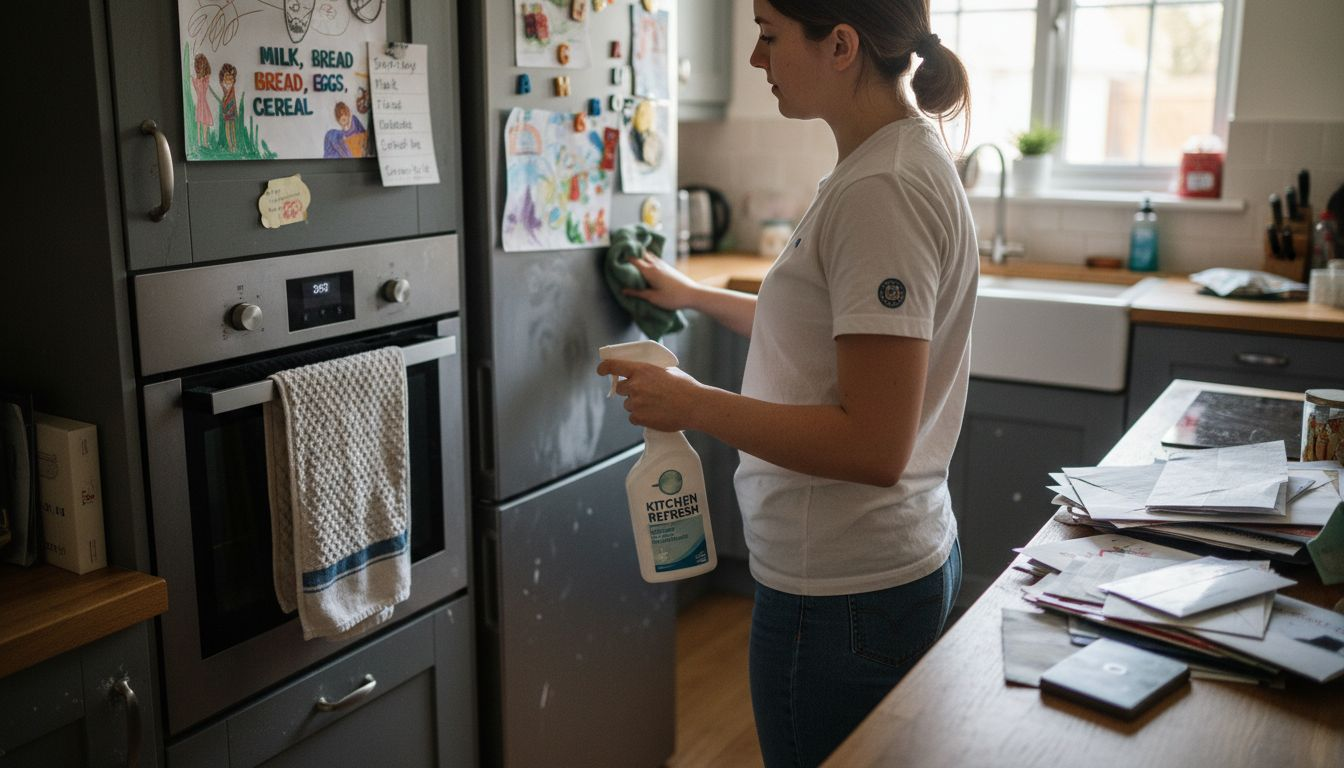
What makes contemporary matte finishes durable isn’t mystical. Advanced polyurethane dispersions bond firmly to cabinet surfaces, creating a protective layer that resists both physical damage and chemical attack from cleaning products. These coatings cure to create a hardened shell that protects the underlying substrate whilst preserving that soft, light-scattering surface you wanted. The chemistry allows for flexibility too, so the coating flexes slightly with wood movement rather than cracking under stress. When a professional respray service applies these modern formulations correctly, including proper surface preparation and multiple cured coats, your matte kitchen finish should perform excellently for 10 to 15 years under normal domestic use. Maintenance matters too, but that’s a separate conversation about cleaning methods and products compatible with matte surfaces.
Pro tip: Avoid abrasive scouring pads and harsh chemical cleaners on matte finishes; instead use soft microfibre cloths with pH-neutral kitchen cleaners to maintain both the appearance and protective integrity of your coating.
Cleaning, Maintenance, and Longevity Tips
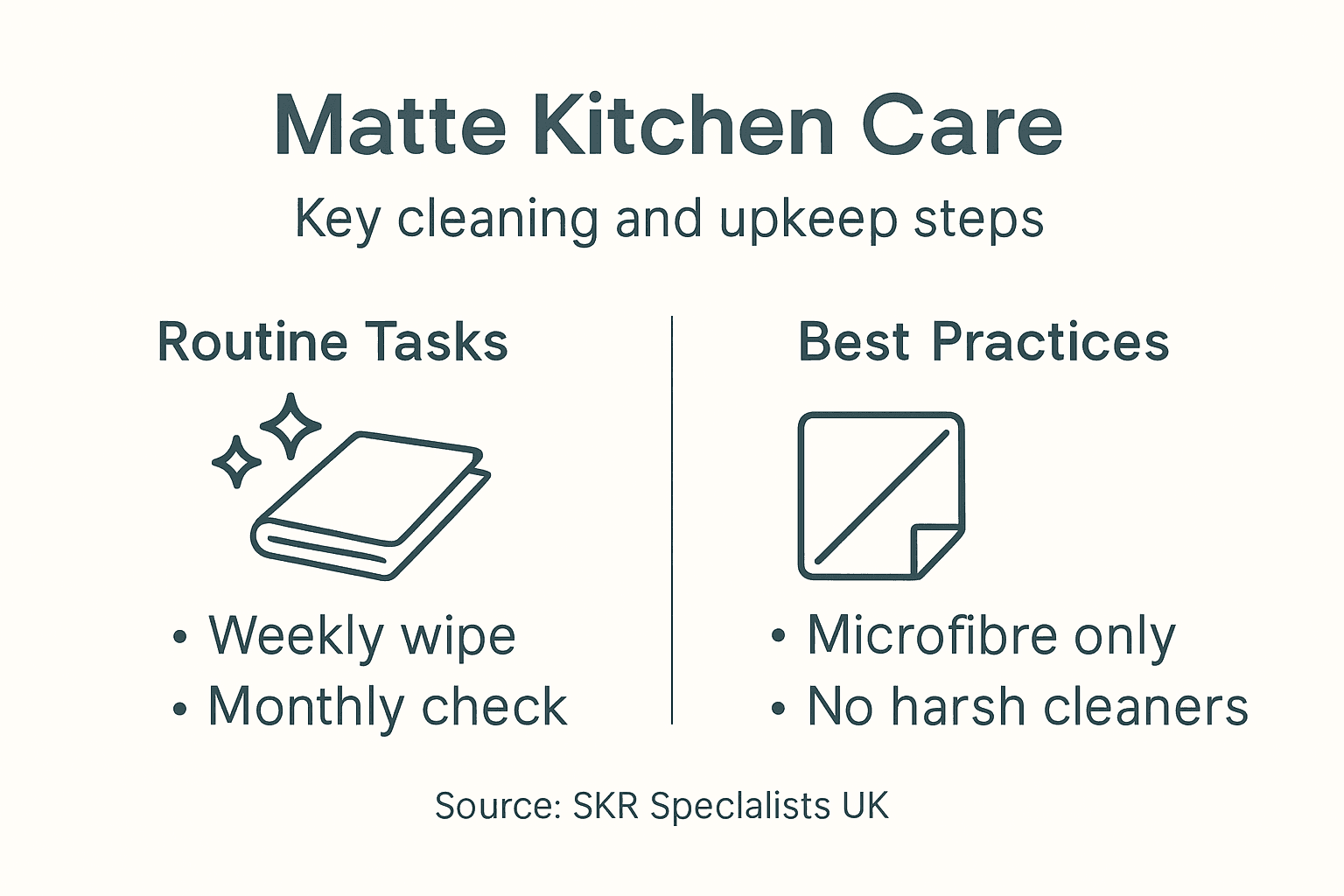
Keeping your matte kitchen finish looking fresh requires understanding what products and methods actually work with this type of surface. The key lies in using gentle, compatible cleaning agents rather than harsh abrasive cleaners that can damage the matte texture. Water and a soft microfibre cloth handles everyday spills and splashes beautifully. For more stubborn marks or grease buildup, a diluted pH-neutral kitchen cleaner works effectively without stripping the protective coating. Proper cleaning and maintenance of matte surfaces requires using compatible detergents that do not damage the finish, which extends longevity and preserves visual appeal in busy kitchens where food preparation happens daily. Avoid scouring pads, bleach-based cleaners, acetone, and anything marketed as a heavy-duty degreaser, as these can degrade the matte coating and potentially cause discolouration or a patchy appearance.
Develop a simple maintenance routine to keep your cabinets looking pristine. Wipe down cabinet doors and handles weekly with your soft cloth and pH-neutral cleaner, paying particular attention to areas around the cooker where steam and grease accumulate. Inspect your finishes monthly for any signs of wear, scratches, or damage that might need attention before they worsen. Scheduled cleaning and inspection mitigate premature wear, maintaining performance and aesthetic quality over your finish’s lifespan, preventing small issues from becoming expensive problems. If you spot minor scratches or worn patches, address them promptly with touch-up paint appropriate for matte finishes, as leaving bare wood exposed to moisture accelerates degradation. Most manufacturers recommend avoiding excessive moisture exposure, so don’t leave wet cloths sitting on surfaces or soak cabinets during cleaning.
The longevity of your matte finish genuinely depends on how you treat it day to day. A well-maintained matte kitchen can look excellent for 15 years or more, whilst neglected finishes deteriorate noticeably within 5 to 7 years. Protect your investment by using chopping boards rather than cutting directly on cabinet surfaces, keeping hot pans and utensils off painted finishes, and using trivets or placemats under items that might scratch. Consider the kitchen’s humidity levels too, particularly if you have high moisture from cooking without adequate ventilation. Installing or upgrading your extractor fan reduces moisture accumulation, which prevents coating breakdown and helps your matte finish retain its colour and texture throughout its lifespan.
Pro tip: Create a simple cleaning schedule reminder on your phone for weekly cabinet wipes and monthly inspections, as consistent, gentle maintenance prevents the buildup that requires aggressive scrubbing and keeps your matte finish looking newly sprayed for years.
Matte Finish Versus Gloss: Key Differences
The fundamental difference between matte and gloss finishes comes down to how each surface handles light. Glossy finishes reflect light specularly, showing clear reflected images and highlighting surface imperfections, which is why you see your kitchen lighting bouncing off shiny cabinet doors. Matte finishes work oppositely, scattering light diffusely across the surface so you never see a clear reflection or catch your face mirrored in the cabinetry. This light behaviour difference shapes everything about how these finishes look, feel, and perform in your kitchen. Think of it like the difference between a mirror and frosted glass. The mirror (gloss) shows you exactly what’s there, whilst frosted glass (matte) obscures details through diffuse light scattering.
When it comes to hiding imperfections, matte finishes genuinely excel. Because matte finishes conceal surface irregularities due to their diffuse reflection characteristics, minor dust, fingerprints, and small scratches virtually disappear on a matte surface, whereas they stand out starkly on gloss. This makes matte particularly appealing for busy British kitchens where daily use inevitably leaves marks. Gloss finishes showcase every speck, which some homeowners love for a pristine look but others find frustratingly high-maintenance. Gloss tends to be more resistant to staining and easier to clean with aggressive products, but this advantage matters less if you’re not seeing every mark constantly anyway.
The practical trade-off between these finishes extends beyond appearance. Gloss paints generally offer superior stain and chemical resistance, making them slightly more forgiving if you accidentally splash something acidic on the surface. However, modern matte formulations have narrowed this gap considerably, particularly with quality polyurethane dispersions that deliver robust protection. Gloss finishes can sometimes feel cold or industrial in a residential kitchen, whilst matte creates warmth and sophistication that feels more contemporary and liveable. Many designers now specify matte for main cabinetry precisely because it reads as intentionally elegant rather than simply “flat,” which reflects the shift in how UK homeowners perceive these finishes.
The table below highlights how matte and gloss finishes differ in daily kitchen use:
| Attribute | Matte Finish | Gloss Finish |
|---|---|---|
| Light Reflection | Diffuse, soft | Sharp, highly reflective |
| Hides Imperfections | Excellent at concealing marks | Shows every smudge easily |
| Cleaning | Needs gentle, pH-neutral products | Tolerates stronger cleaners |
| Aesthetic | Elegant, understated, modern | Bright, bold, pristine |
| Longevity | Up to 15 years with maintenance | Similar lifespan possible |
Choosing between them ultimately depends on your priorities. If you want a kitchen that hides daily wear and maintains a contemporary, soft aesthetic, matte wins decisively. If you prioritise maximum stain resistance and enjoy a reflective, high-shine appearance, gloss delivers. Many discerning homeowners split the difference, choosing matte for cabinet doors and bodies whilst reserving gloss for accent pieces, handles, or feature panels to create visual interest and depth. Understanding both options means you can make an informed choice rather than defaulting to what you’ve seen elsewhere.
Pro tip: Request cabinet door samples finished in both matte and gloss from your respray specialist, then place them in your kitchen under your actual lighting conditions for several days to see which finish feels right for your space and lifestyle.
Discover How a Professional Matte Finish Respray Can Transform Your Kitchen
The challenge many UK homeowners face when choosing a kitchen finish is balancing elegance with practicality. Matte finishes provide a sophisticated, low-reflection appearance that expertly hides fingerprints and minor imperfections in busy kitchens. However, as the article explains, durability and maintenance require the right chemical formulation and expert application to ensure your kitchen stays stunning and resilient over time. If daily wear and tear concerns you but you love the understated beauty of a matte surface, a professional respray could be the perfect solution.
Transform your kitchen today with our expert in-situ respray service designed specifically for matte finishes. At SKR Specialists, we use advanced coatings that combine elegance with lasting durability to keep your kitchen looking fresh and flawless. Take the first step now by exploring our comprehensive kitchen respray service. Visit our homepage to see how we can deliver the perfect matte finish tailored to your lifestyle and enjoy a kitchen that balances beauty with everyday practicality.
Frequently Asked Questions
What is a matte finish in kitchen design?
A matte finish refers to a surface that scatters light diffusely rather than reflecting it sharply, creating a soft, non-reflective appearance. This effect is achieved through a specific formulation that uses pigments with less resin binder, resulting in very low gloss levels.
What are the advantages of using matte finishes in the kitchen?
Matte finishes in the kitchen help hide fingerprints and water spots, require less maintenance, and offer a contemporary, elegant aesthetic. They absorb light rather than reflecting it, which can create a calm and sophisticated look.
How do I maintain matte kitchen surfaces?
To maintain matte surfaces, clean them with a soft microfibre cloth and a pH-neutral kitchen cleaner. Avoid abrasive cleaners and scouring pads, as they can damage the matte texture. Regular gentle cleaning will help prolong the finish’s life and appearance.
How does a matte finish compare to a gloss finish?
Matte finishes scatter light and do not show reflections, making them excellent for hiding imperfections, while gloss finishes reflect light and highlight surface flaws. Matte surfaces tend to feel warmer and more contemporary, while gloss finishes are often easier to clean and more resistant to stains.
Recommended
- Kitchen Respray Finish Types: Complete UK Guide – WordPress
- Kitchen Spray Finishes: What Homeowners in England Need to Know – WordPress
- 7 Types of Kitchen Paint Every UK Homeowner Should Know – WordPress
- Kitchen Paint Finish Guide for a Flawless Update – WordPress
- Marble Paper Towel Holder | Kitchen Countertop Organizer | Stone Stand – Marmorique