
Satin Finish: Modern, Durable Kitchen Resprays
Choosing the right finish for your kitchen surfaces can be surprisingly challenging if you want style that holds up to daily life. For homeowners across England, a satin finish stands out thanks to its smooth texture and subtle sheen that reduces visible fingerprints while offering remarkable durability. This guide explains why a satin finish is ideal for busy kitchens where low maintenance and a modern look matter most, helping you select a surface that truly fits your home.
Table of Contents
- Defining Satin Finish For Kitchens
- Comparing Satin To Gloss And Matt
- Key Characteristics Of Satin Surfaces
- Durability And Cleaning Advantages
- Common Mistakes With Satin Application
- Choosing The Right Finish For Your Kitchen
Key Takeaways
| Point | Details |
|---|---|
| Satin Finish Benefits | Satin finishes provide a balanced sheen with low reflectivity, making them both aesthetically pleasing and functional in kitchen settings. |
| Comparative Analysis | Satin finishes bridge the gap between gloss and matt, offering moderate maintenance with improved stain resistance and visual appeal. |
| Durability | Satin surfaces boast enhanced durability and corrosion resistance, ensuring longevity and easy cleaning in busy kitchens. |
| Informed Selection | Consider individual household needs and lighting conditions when selecting a finish to achieve the best combination of style and practicality. |
Defining Satin Finish For Kitchens
A satin finish represents a sophisticated surface treatment that strikes the perfect balance between matte and glossy appearances. Unlike high-gloss finishes that reflect significant light, or completely flat matte surfaces, satin delivers a subtle, elegant sheen that transforms kitchen spaces.
The characteristics of satin finishes are distinctive and highly functional. Special finishing processes create a surface with remarkable qualities:
- Low reflectivity with gentle lustre
- Smooth, consistent texture
- Reduced visibility of fingerprints and smudges
- Enhanced durability compared to standard paint finishes
In kitchen environments, satin finishes offer remarkable practical advantages. Corrosion resistance and aesthetic appeal make these finishes particularly attractive for homeowners seeking a modern, low-maintenance surface. Stainless steel applications demonstrate how controlled finishing techniques can produce surfaces with both functional and visual excellence.
Pro tip: When selecting a satin finish for your kitchen, always request samples to assess the exact sheen and texture in your specific lighting conditions.
Comparing Satin To Gloss And Matt
Kitchen finishes offer distinct aesthetic and functional characteristics, with satin, gloss, and matt representing three primary options for homeowners. Surface reflectivity and maintenance requirements create significant differences between these finish types.
The key distinctions between these finishes include:
- Gloss Finish: Maximum light reflection
- Satin Finish: Balanced, subtle sheen
- Matt Finish: Minimal light reflection
Gloss finishes provide a highly reflective surface that creates a sleek, modern appearance. However, they prominently display fingerprints and scratches, requiring frequent cleaning. Comparative finish technologies demonstrate that satin finishes offer a superior compromise, delivering aesthetic appeal with improved practicality.
Matt finishes present a soft, non-reflective surface ideal for hiding imperfections. While they appear elegant, they can look dull and often struggle with stain resistance. Satin finishes expertly bridge this gap, providing a gentle lustre that masks marks more effectively while maintaining a contemporary kitchen aesthetic.
Here is a practical comparison of common kitchen finishes and their day-to-day performance:
| Finish Type | Maintenance Effort | Visibility of Marks | Visual Impact |
|---|---|---|---|
| Gloss | High, needs frequent cleaning | Fingerprints highly visible | Modern, eye-catching shine |
| Satin | Moderate, easy to clean | Marks subtly masked | Refined, gentle sheen |
| Matt | Low to moderate, stains linger | Marks generally concealed | Soft, understated appearance |
Pro tip: Consider your kitchen’s natural lighting and daily usage when selecting between finish types to ensure optimal visual appeal and practicality.
Key Characteristics Of Satin Surfaces
Satin surfaces represent a sophisticated finish that balances aesthetic appeal with remarkable functionality. Surface treatment techniques reveal the intricate process behind creating these unique kitchen finishes.
The primary characteristics of satin surfaces include:
- Smooth, refined texture
- Subtle, balanced light reflection
- Enhanced durability
- Fingerprint and smudge resistance
- Minimal glare
The technical process of achieving a satin finish involves precision engineering. Specialised techniques like anodising and subtle plating create a surface that is not just visually appealing but also incredibly functional. Glass surface technologies demonstrate how these finishes can transform ordinary surfaces into elegant, low-maintenance solutions.
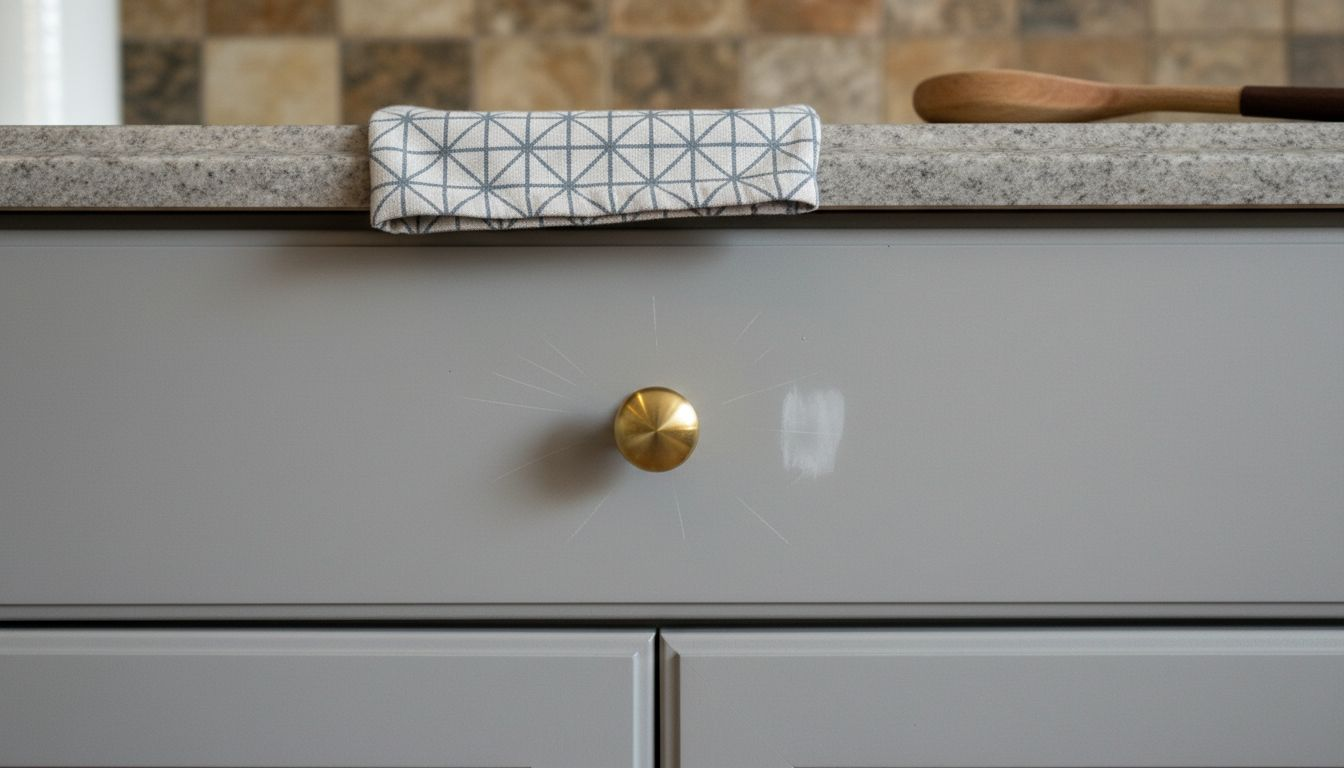
Practically speaking, satin surfaces excel in kitchen environments where aesthetics and performance intersect. The finish provides a gentle lustre that captures light softly, creating depth and dimension without the harsh reflections associated with high-gloss surfaces. Its ability to mask fingerprints and minor imperfections makes it an ideal choice for busy kitchen spaces that demand both style and practicality.
Pro tip: Test satin finish samples under your kitchen’s specific lighting conditions to ensure the perfect visual harmony.
Durability And Cleaning Advantages
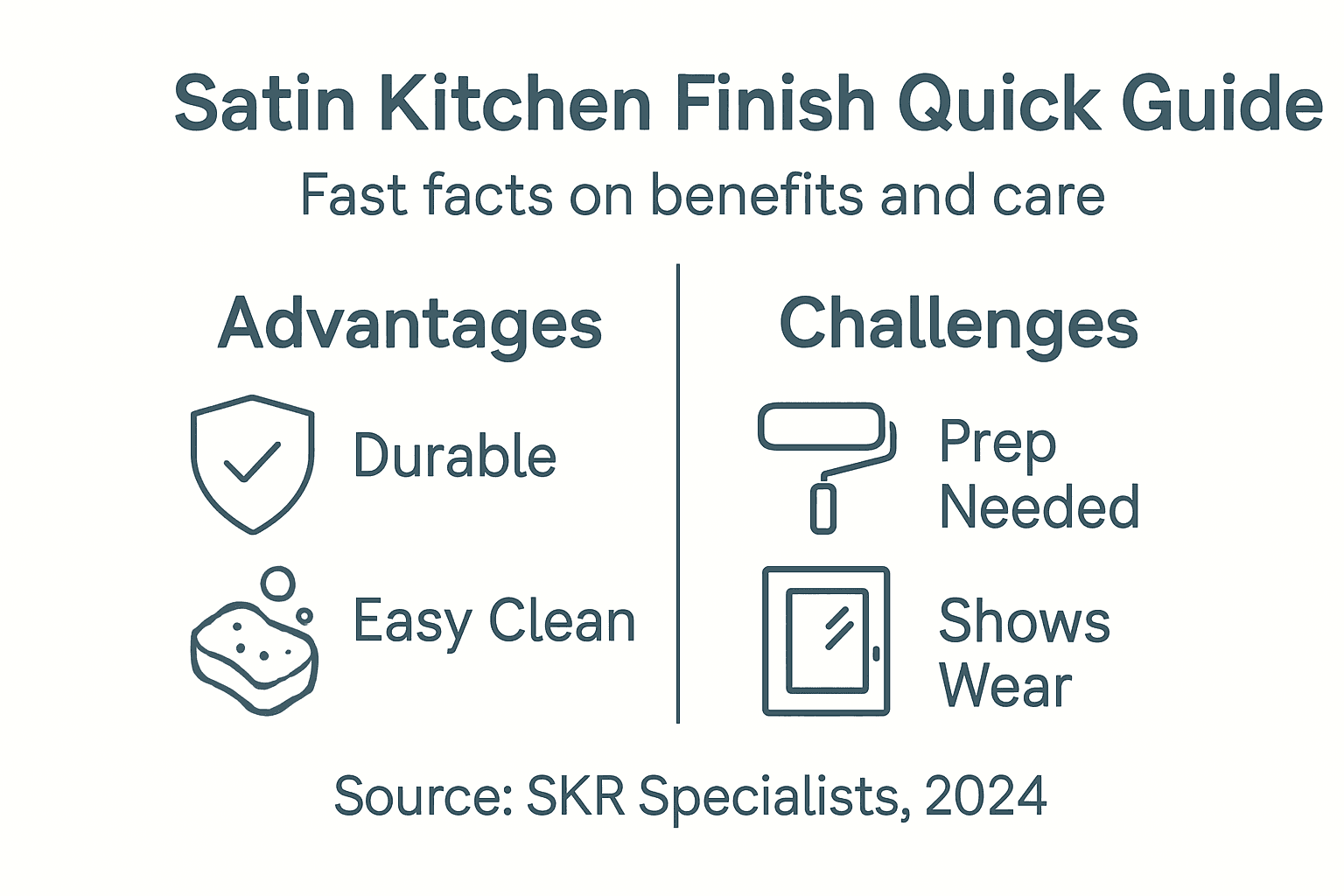
Satin finishes offer remarkable durability that sets them apart in kitchen environments. Surface finish technologies demonstrate how these surfaces resist wear and maintain their aesthetic appeal over extended periods.
Key durability advantages include:
- Enhanced corrosion resistance
- Reduced visible scratching
- Superior stain repellence
- Consistent appearance after multiple cleanings
- Minimal surface degradation
Cleaning satin surfaces becomes remarkably straightforward compared to other finish types. Hygiene maintenance techniques reveal that these surfaces can be effectively cleaned using mild detergents without compromising their structural integrity or visual appeal.
The moderate sheen of satin finishes plays a crucial role in their practical performance. Unlike high-gloss surfaces that dramatically show every fingerprint, or matt surfaces that can look perpetually dusty, satin strikes an optimal balance. Its subtle texture helps conceal minor marks while remaining easy to wipe clean, making it an ideal choice for busy kitchen spaces that demand both aesthetics and functionality.
Pro tip: Use microfibre cloths and pH-neutral cleaning solutions to maintain your satin finish’s pristine appearance without risking surface damage.
Common Mistakes With Satin Application
Achieving a flawless satin finish requires precision and careful attention to detail. Surface preparation techniques reveal critical mistakes that can compromise the final result.
Common application errors include:
- Inadequate surface cleaning before application
- Applying finish in unsuitable environmental conditions
- Using incorrect painting equipment
- Skipping proper primer preparation
- Inconsistent coating techniques
Homeowners frequently underestimate the importance of environmental conditions during application. High humidity or extreme temperatures can dramatically affect the finish’s curing process, leading to uneven texture and reduced durability. Professional finishing strategies emphasise the critical nature of understanding surface characteristics before beginning the respray process.
Technical application requires more than just paint and a brush. Professional results demand meticulous surface preparation, precise application techniques, and an understanding of how different environmental factors impact the final finish. Rushing the process or neglecting crucial preparatory steps can result in a finish that looks unprofessional and degrades quickly.
Pro tip: Always conduct a small test area first and allow it to fully cure to assess the final appearance and adhesion quality.
Choosing The Right Finish For Your Kitchen
Kitchen finishes represent more than just aesthetic choices – they are critical functional decisions that impact daily life. Kitchen surface selection strategies demand careful consideration of multiple factors beyond simple visual appeal.
Key criteria for selecting the right kitchen finish include:
- Durability requirements
- Maintenance complexity
- Lifestyle and usage patterns
- Natural lighting conditions
- Overall kitchen design aesthetic
- Budget constraints
Fitted kitchen design principles emphasise that different finishes suit different household needs. Satin finishes emerge as a particularly versatile option, offering a balance between practicality and visual sophistication. They resist showing fingerprints more effectively than gloss finishes while maintaining a more refined appearance than completely matte surfaces.
The selection process requires homeowners to evaluate their specific kitchen environment. High-traffic kitchens with young children might prioritise durability and easy cleaning, while minimalist spaces could focus more on sleek aesthetic qualities. Understanding how different finishes perform under real-world conditions helps make an informed decision that balances style with functionality.
Use this table to help identify the best finish for different kitchen lifestyles:
| Lifestyle Scenario | Recommended Finish | Key Reason |
|---|---|---|
| Busy family, children | Satin | Resists stains, easy-care |
| Minimalist adult household | Gloss | Sleek look, stunning in light |
| Rural/country style home | Matt | Conceals imperfections |
| High-traffic kitchen | Satin | Durable, hides marks |
Pro tip: Request finish samples and observe them under your kitchen’s actual lighting conditions before making a final selection.
Transform Your Kitchen With Professional Satin Finish Resprays
If you are looking to combine durability with elegant style in your kitchen, achieving the perfect satin finish is essential. This article highlights how satin surfaces offer a subtle sheen that resists fingerprints and stains while enhancing your kitchen’s appearance. However, common application mistakes can affect the final look and longevity of your kitchen finish.
At SKR Specialists, we understand these challenges and specialise in expert kitchen respray services that deliver flawless satin finishes right in your home. Our professional process ensures precise surface preparation and application, eliminating issues such as uneven texture or poor durability.
Explore our kitchen respray solutions that bring together aesthetic sophistication with practical benefits like enhanced stain resistance and easy cleaning.
Why wait to give your kitchen the timeless, refined look it deserves? Contact us today and experience the difference a professional satin finish respray can make.
Frequently Asked Questions
What is a satin finish for kitchens?
A satin finish is a sophisticated surface treatment that balances matte and glossy appearances, providing a subtle sheen that enhances kitchen spaces without excessive light reflection.
How does satin finish compare to gloss and matte finishes?
Satin finishes offer a balanced, subtle sheen that masks marks effectively, while gloss finishes are highly reflective and show fingerprints easily, and matte finishes have minimal reflection but can look dull and retain stains more.
What are the cleaning advantages of satin finishes in kitchens?
Satin finishes are easy to clean, often requiring only mild detergents. They resist fingerprints and smudges, making maintenance straightforward compared to gloss and matte finishes.
What common mistakes should be avoided when applying a satin finish?
Key mistakes include inadequate surface cleaning before application, using incorrect painting equipment, and ignoring environmental conditions such as humidity and temperature, which can affect the finish’s quality.
Recommended
- Matte Finish Surfaces – Impact on UK Kitchens – WordPress
- Gloss Finish – Transforming Kitchen Resprays in England – WordPress
- Lacquer Finish – Elevating Kitchen Respray Durability – WordPress
- Kitchen Respray Finish Types: Complete UK Guide – WordPress
- Distressed Brown Faux Suede Dining Chair Black Metal Legs – New Way Ref