
Gloss Finish – Transforming Kitchen Resprays in England
Finding the right balance between stunning design and everyday practicality is a common challenge for homeowners across England planning a kitchen makeover. A gloss finish offers a unique solution, combining a shiny, mirror-like surface with impressive durability and stain resistance. Perfect for busy kitchens, this high-quality respray option not only catches the eye but also makes cleaning far easier. Explore how a gloss finish can brighten your space and deliver lasting value for your home.
Table of Contents
- Gloss Finish Defined For Kitchen Resprays
- Types Of Gloss Finishes For Kitchens
- Visual And Practical Benefits Explained
- How Gloss Finish Works In English Homes
- Care, Longevity, And Maintenance Factors
- Comparing Gloss With Matt And Satin Options
Key Takeaways
| Point | Details |
|---|---|
| Gloss finishes enhance kitchen aesthetics | Gloss finishes provide a shiny, reflective surface that significantly improves the visual appeal and brightness of kitchen spaces. |
| Surface preparation is crucial | Proper surface preparation is essential for achieving a flawless gloss finish, as imperfections become more visible under high reflectivity. |
| Care and maintenance are key | Regular cleaning and proactive care strategies are vital to maintain the gloss finish’s shine and protective qualities over time. |
| Test finishes before commitment | It is advisable to request samples of different gloss finishes to understand how they will look under specific kitchen lighting conditions before making a final decision. |
Gloss finish defined for kitchen resprays
A gloss finish transforms kitchen surfaces with its distinctive shiny and reflective appearance, offering both aesthetic appeal and practical benefits for homeowners across England. Unlike matte or satin finishes, gloss provides an intensely smooth surface that reflects light vividly, creating a modern and polished look in contemporary kitchens.
Gloss finishes are technically defined by their light reflection properties, typically ranging between 70-90% light reflectivity. This means they create a mirror-like surface that catches and bounces light dramatically across kitchen cabinets and surfaces. The key characteristics include:
- Extremely smooth, hard-wearing surface
- Highly reflective appearance
- Enhanced durability against daily wear
- Easy to clean and maintain
- Ideal for revealing clean, crisp lines in kitchen design
The quality of a gloss finish depends significantly on surface preparation. Surface imperfections become dramatically more visible under the intense light reflection, which means professional kitchen resprayers must meticulously prepare surfaces before application. Skilled technicians will carefully sand, prime, and smooth surfaces to ensure a flawless final result.
Pro tip: Always request a sample finish panel before committing to a full kitchen respray to understand exactly how the gloss will look in your specific kitchen lighting conditions.
Types of gloss finishes for kitchens
In the world of kitchen resprays, gloss finishes offer homeowners a range of aesthetic and functional options. The primary types of gloss finishes are categorised by their light reflection properties, providing distinct visual and practical characteristics for kitchen surfaces across England.
The three main gloss finish types include:
-
Full Gloss (70-90% reflectivity)
- Highest shine level
- Ultra-reflective surface
- Extremely durable
- Best for modern, sleek kitchen designs
-
Semi-Gloss (41-69% reflectivity)
- Moderate sheen
- Good balance between shine and practicality
- Easier to clean than matte finishes
- Ideal for traditional and contemporary kitchens
-
Satin Finish (26-40% reflectivity)
- Soft, subtle sheen
- Less reflective than full and semi-gloss
- Hides surface imperfections more effectively
- Provides a more understated kitchen aesthetic
Each gloss finish type presents unique advantages, allowing homeowners to select a surface that matches their specific design preferences and functional requirements. The choice depends on factors like kitchen lighting, cabinet material, and overall interior design style.
Professional kitchen resprayers recommend selecting a gloss finish that complements your kitchen’s natural lighting and architectural features.
The pigment composition and binder ratio significantly influence the final gloss appearance, with professional technicians carefully selecting and applying materials to achieve the desired finish.
Pro tip: Consider testing multiple gloss finish samples in your actual kitchen lighting to ensure the perfect visual result before committing to a full respray.
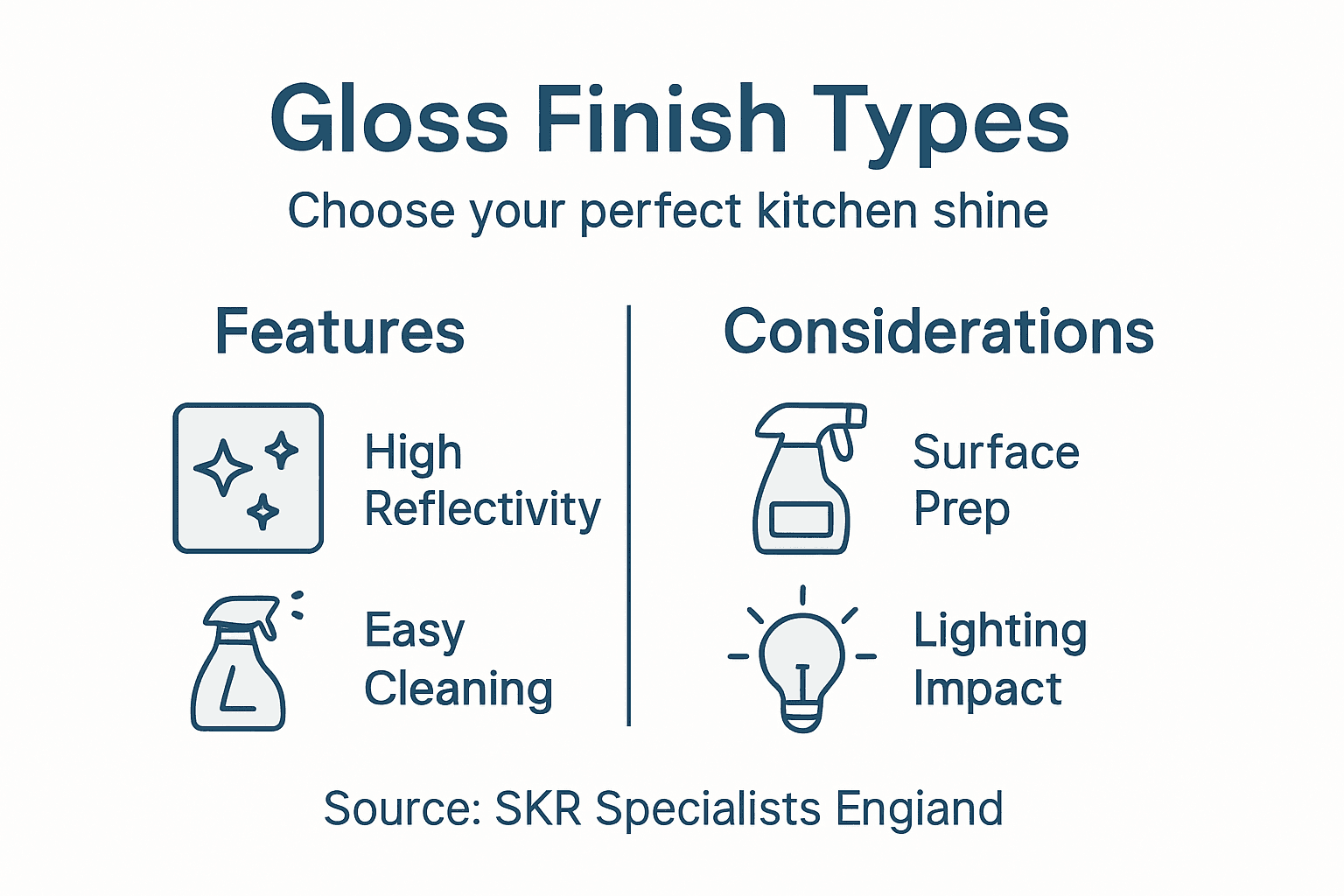
Visual and practical benefits explained
Gloss finishes bring remarkable transformative qualities to kitchen spaces, enhancing visual appeal and functionality in ways that go far beyond simple aesthetic improvements. These highly reflective surfaces create a dynamic visual environment that can dramatically alter the perception of kitchen space and design.
The key visual benefits include:
-
Increased Light Reflection
- Makes smaller kitchens appear larger
- Brightens dark or compact spaces
- Creates an illusion of depth and openness
- Enhances natural and artificial lighting
-
Surface Aesthetic Improvements
- Provides a smooth, polished appearance
- Highlights architectural details
- Creates a modern, sophisticated look
- Offers a range of visual textures from ultra-glossy to subtle sheen
Practically, gloss finishes deliver substantial functional advantages for busy kitchen environments. They create a protective layer that resists moisture, stains, and daily wear, making them an exceptional choice for surfaces that endure constant use and cleaning. The hard-wearing nature of gloss finishes means kitchen cabinets and surfaces maintain their pristine appearance for longer periods compared to traditional paint treatments.
Professional kitchen designers consistently recommend gloss finishes for their ability to combine aesthetic elegance with remarkable durability.
The cleaning properties of gloss finishes are particularly noteworthy. Their smooth surface allows for effortless wipe-downs, preventing dirt and grease accumulation more effectively than matte or textured finishes. This makes them an ideal solution for households seeking both style and practicality in their kitchen design.
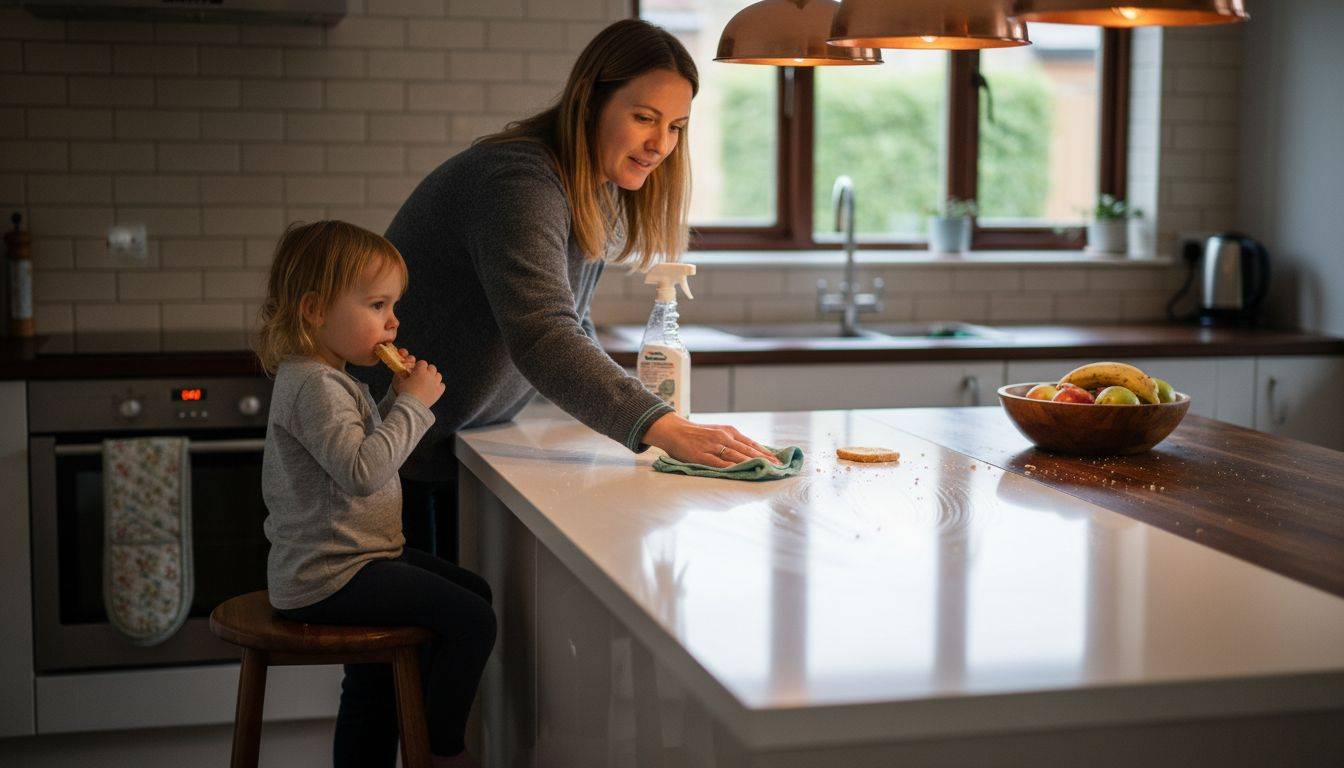
Pro tip: Select a gloss finish with a reflectivity level that matches your kitchen’s natural lighting to maximise both visual impact and functional performance.
How gloss finish works in English homes
In traditional and contemporary English kitchens, gloss finish serves as a transformative design element that adapts seamlessly to various architectural styles and lighting conditions. Kitchen environments in England demand surfaces that combine aesthetic appeal with practical durability, making gloss finishes an exceptional choice for homeowners seeking both style and functionality.
The performance of gloss finish in English homes is characterised by several key mechanisms:
-
Light Interaction
- Reflects and amplifies natural and artificial light
- Creates a sense of spaciousness in compact kitchen areas
- Enhances overall brightness and visual depth
- Compensates for limited natural lighting typical in British homes
-
Surface Dynamics
- Provides a smooth, wipeable surface
- Resists moisture and kitchen-related humidity
- Prevents stain absorption
- Maintains colour vibrancy over extended periods
The molecular structure of gloss paint plays a crucial role in its performance. The higher concentration of resin binders creates a tightly sealed surface that repels water, grease, and everyday kitchen contaminants. This makes gloss finishes particularly suited to the variable humidity and cooking environments found in English households.
Professional decorators recognise that gloss finish is not just a visual choice, but a practical solution for managing kitchen surface maintenance.
Unlike matte or silk finishes, gloss creates a protective barrier that withstands frequent cleaning, temperature fluctuations, and the demanding conditions of busy family kitchens. The reflective properties also help to visually expand smaller spaces, a significant benefit in many traditional British home layouts.
This summary outlines how gloss finishes enhance English kitchens under different conditions:
| Factor | Gloss Finish Effect | Consideration for English Homes |
|---|---|---|
| Natural Lighting | Amplifies brightness | Compensates for cloudier climates |
| Humidity | Repels moisture | Withstands common kitchen dampness |
| Cleaning | Wipes clean easily | Supports busy households’ routines |
| Space Perception | Increases spaciousness | Ideal for compact home layouts |
Pro tip: Select a gloss finish with a slight yellow or warm undertone to complement the natural, softer lighting conditions typical in English homes.
Care, longevity, and maintenance factors
Maintaining a gloss finish requires strategic care and attention to preserve its pristine appearance and protective qualities. Planned preventative maintenance is crucial for ensuring the long-term performance of kitchen surfaces with gloss finishes.
Key maintenance strategies include:
-
Regular Cleaning Protocols
- Use soft, non-abrasive microfibre cloths
- Avoid harsh chemical cleaners
- Wipe surfaces immediately after spills
- Clean with mild, pH-neutral detergents
-
Damage Prevention
- Protect surfaces from direct heat sources
- Use cutting boards and trivets
- Avoid dragging heavy items across surfaces
- Repair minor scratches promptly
The durability of gloss finishes depends significantly on initial surface preparation and ongoing care. Professional resprayers recommend a meticulous approach to maintaining the protective coating, understanding that gloss surfaces can reveal imperfections more readily than matte finishes.
Consistent maintenance is the key to preserving the aesthetic and functional integrity of gloss-finished kitchen surfaces.
Unlike other finishes, gloss requires more frequent but gentle cleaning to maintain its characteristic shine. Small scratches or wear can be more noticeable, making proactive care essential for preserving the surface’s visual appeal and protective properties.
Pro tip: Invest in specialised gloss surface cleaning products designed specifically for kitchen environments to maintain the finish’s original lustre and protective qualities.
Comparing gloss with matt and satin options
In kitchen design, surface finishes play a critical role in both aesthetics and functionality. Paint sheen characteristics determine how surfaces interact with light, durability, and maintenance requirements, making the choice between gloss, matt, and satin finishes a nuanced decision for homeowners.
Key comparative attributes include:
-
Gloss Finish
- 70-90% light reflectivity
- Ultra-shiny, mirror-like appearance
- Extremely durable
- Easy to clean
- Shows surface imperfections
-
Satin Finish
- 26-40% light reflectivity
- Soft, subtle sheen
- Moderate durability
- Balances aesthetics and practicality
- Hides minor surface variations
-
Matt Finish
- Less than 10% light reflectivity
- Completely non-reflective
- Lowest durability
- Conceals surface imperfections
- Provides a natural, understated look
Each finish type presents unique advantages that suit different kitchen design philosophies and functional requirements. The selection depends on factors such as kitchen lighting, architectural style, maintenance preferences, and personal aesthetic sensibilities.
Professional kitchen designers recommend selecting a finish that harmonises with your specific kitchen environment and lifestyle demands.
Unlike gloss finishes, matt and satin options provide more forgiving surfaces that can mask slight irregularities. However, they compromise on cleaning ease and long-term durability, making them less ideal for high-traffic kitchen areas.
Here is a comparison of gloss, satin, and matt kitchen finishes to help guide your selection:
| Finish Type | Visual Impact | Best Suited For | Longevity & Maintenance |
|---|---|---|---|
| Gloss | Intensely shiny, reflective | Modern, minimalist designs | Long-lasting, requires careful cleaning |
| Satin | Subtle sheen, elegant | Traditional, transitional spaces | Moderate durability, easy to maintain |
| Matt | Flat, non-reflective | Rustic, classic aesthetics | Least durable, hides imperfections well |
Pro tip: Request physical samples of different finishes and observe them under your kitchen’s actual lighting conditions before making a final decision.
Elevate Your Kitchen with a Professional Gloss Respray
Transforming your kitchen with a gloss finish requires expert preparation and flawless application to achieve the smooth, reflective surface that brightens and enlarges your space. If you are seeking to overcome common challenges such as visible surface imperfections or durability concerns described in the article, our professional kitchen respray service ensures meticulous sanding, priming, and application tailored specifically for English homes. We help you maximise your kitchen’s light reflection and maintain that polished shine over time.

Discover how a gloss finish can revitalise your kitchen’s appearance and functionality today. Visit SKR Specialists to explore our expert in-situ kitchen resprays offering practical durability with stunning visual impact. Do not wait for wear and tear to dull your surfaces. Contact us now to request a bespoke sample panel and experience firsthand the remarkable transformation a gloss finish delivers. Take the first step towards a brighter, cleaner, and longer-lasting kitchen environment.
Frequently Asked Questions
What is a gloss finish in kitchen resprays?
A gloss finish is a highly reflective surface treatment used in kitchen resprays, characterised by 70-90% light reflectivity, which creates a shiny, polished look while enhancing durability and ease of cleaning.
What are the benefits of using a gloss finish in kitchens?
Gloss finishes offer increased light reflection, making spaces appear larger and brighter. They also provide a smooth, aesthetic appearance, resist moisture and stains, and are easier to clean than matte finishes.
How do gloss finishes compare to satin and matte finishes?
Gloss finishes have the highest reflectivity (70-90%) and a mirror-like appearance, making them very durable and easy to maintain. Satin finishes (26-40%) have a softer sheen, balancing aesthetics and practicality, while matte finishes (less than 10%) are non-reflective, hiding imperfections but offering the least durability.
What maintenance do gloss finishes require to keep them looking good?
To maintain a gloss finish, regularly clean with non-abrasive microfibre cloths and mild, pH-neutral detergents. Protect surfaces from heat, avoid dragging heavy items across them, and promptly repair any minor scratches to preserve their aesthetic and functional qualities.