
7 Kitchen Colour Scheme Ideas to Transform Your Home
More than 60 percent of British homeowners say a kitchen update has the biggest impact on a home’s overall value and appearance. In England, choosing the right colour scheme when planning a kitchen respray can redefine your space, reflecting both current trends and your personal taste. Whether you want a modern touch or a timeless feel, inspiration from trusted design experts helps you create a kitchen that feels fresh, bright, and truly inviting.
Table of Contents
- 1. Classic White For Timeless Appeal
- 2. Two-Tone Cabinets For Modern Contrast
- 3. Soft Pastels To Brighten Small Kitchens
- 4. Bold Navy And Gold For A Luxe Look
- 5. Earthy Greens For A Calm, Natural Feel
- 6. Monochrome Grey For Contemporary Style
- 7. Warm Neutrals To Add Cosy Comfort
Quick Summary
| Key Insight | Explanation |
|---|---|
| 1. Choose White for Timeless Design | White kitchens offer a classic, elegant backdrop that makes spaces feel larger and allows for easy accessorising, ensuring long-term style versatility. |
| 2. Employ Bold Two-Tone Cabinets | Two-tone cabinetry can create depth and personality, enhancing visual interest while zoned areas help maintain a cohesive design scheme. |
| 3. Implement Earthy Greens for Serenity | Earthy green shades provide a calming atmosphere that connects interiors with nature, creating inviting spaces that feel both modern and sophisticated. |
| 4. Use Soft Pastels in Small Kitchens | Soft pastels bring lightness and charm to small kitchens, making them appear larger while needing to be complemented with neutral cabinetry for balance. |
| 5. Add Warm Neutrals for Comfort | Warm neutrals create inviting, cozy environments, relying on layered shades and textures to prevent monotony and enhance warmth. |
1. Classic White for Timeless Appeal
White kitchens represent the pinnacle of elegant design with an enduring aesthetic that transcends passing trends. These pristine spaces offer a versatile backdrop that can transform your cooking area into a bright, spacious sanctuary.
The magic of white lies in its remarkable ability to create an open and airy environment. Kitchen design experts highlight white’s versatility as a canvas that allows endless personalisation through accessories and accent pieces. White cabinetry acts like a blank canvas where texture, hardware, and strategic colour pops can express your unique style.
Practically speaking, white works brilliantly in kitchens of all sizes. Smaller spaces feel dramatically larger when painted white, reflecting natural and artificial light to create an illusion of expanded square footage. The clean aesthetic also provides tremendous design flexibility, enabling you to swap accessories or change accent colours without requiring a complete kitchen overhaul.
To elevate a white kitchen beyond basic, consider incorporating varied textures and finishes. Designers recommend contrasting white cabinetry with darker elements like black worktops or brass hardware to add depth and visual intrigue. Matte and glossy white finishes can also create subtle visual complexity within the same colour palette.
Professional recommendation: Select a white with warm undertones to prevent your kitchen feeling clinical and instead create a welcoming, soft atmosphere.
2. Two-Tone Cabinets for Modern Contrast
Two-tone kitchen cabinetry represents a bold design statement that transforms ordinary cooking spaces into extraordinary culinary environments. This contemporary approach allows homeowners to inject personality and visual dynamism into their kitchen aesthetic.
The fundamental appeal of two-tone cabinets lies in their ability to create depth and visual intrigue. Kitchen design experts recommend thoughtful colour combinations that prevent spaces from feeling heavy or overwhelming. By strategically contrasting lower and upper cabinets, you can effectively zone different kitchen areas while maintaining a cohesive design language.
Practical implementation involves selecting complementary colours that enhance rather than compete with each other. Popular approaches include pairing lighter upper cabinets with darker lower units, which creates an illusion of height and prevents the kitchen from feeling compressed. Neutral tones like soft grey and crisp white work wonderfully, as do more adventurous combinations such as navy blue with pale oak.
When executing a two-tone design, consider the architectural elements and natural light in your kitchen. Metallic hardware in brass or chrome can tie the colour scheme together, while natural materials like wooden worktops can add warmth and texture to the overall composition.
Professional recommendation: Select colours with similar undertones to ensure a harmonious and intentional design that feels sophisticated rather than accidental.
3. Soft Pastels to Brighten Small Kitchens
Soft pastel colours represent a transformative design strategy for compact kitchen spaces, offering a delicate balance between visual expansion and aesthetic charm. These gentle hues possess a remarkable ability to create an illusion of openness while infusing personality into smaller cooking areas.
Pastel kitchen designs offer remarkable versatility across traditional and contemporary settings. Specific shades like eggshell blue, sage green, and powder pink can dramatically alter a kitchen’s perceived dimensions, making cramped spaces feel more expansive and welcoming. The secret lies in their light reflective qualities which bounce natural and artificial light around the room.
When implementing pastel colour schemes, strategic placement matters immensely. Consider painting walls in soft tones while keeping cabinetry neutral to prevent overwhelming the space. Complementing pastel walls with white or light wooden worktops enhances the bright, airy feel. Metallic accents in brushed silver or copper can add depth and sophistication to the gentle colour palette.
Practical application involves understanding undertones and selecting complementary accessories. Soft pastels pair beautifully with natural materials like wooden chopping boards, terracotta plant pots, and linen tea towels. These elements create visual texture without disrupting the room’s serene atmosphere.
Professional recommendation: Test pastel paint samples in different lighting conditions to ensure the colour maintains its intended softness throughout the day.
4. Bold Navy and Gold for a Luxe Look
Navy and gold represent the pinnacle of sophisticated kitchen design, offering a dramatic yet refined colour combination that transforms ordinary cooking spaces into extraordinary culinary sanctuaries. This timeless palette delivers unparalleled elegance with its deep, rich tones and luxurious metallic highlights.
Contemporary kitchen designers celebrate navy and gold as the ultimate statement colour scheme. Deep navy cabinetry provides remarkable depth and visual drama, while strategic gold accents inject warmth and contemporary sophistication. The interplay between these colours creates a sense of opulence without appearing ostentatious.
Implementing this colour scheme requires thoughtful balance. Consider navy as your primary colour for cabinetry or feature walls, using gold as an accent through hardware, light fixtures, and worktop edging. Brushed brass or champagne gold finishes work particularly well, offering a softer alternative to traditional yellow gold.
Textural variation plays a crucial role in preventing the colour scheme from feeling flat. Incorporate natural wood elements, marble worktops with golden veining, and textured backsplashes to add visual complexity. Metallic gold faucets, cabinet handles, and pendant lights can serve as jewellery like punctuation marks in your kitchen design.
Professional recommendation: Select gold hardware with a matte or brushed finish to maintain sophistication and prevent the design from appearing overly shiny or gaudy.
5. Earthy Greens for a Calm, Natural Feel
Earthy green kitchen palettes offer a serene sanctuary that connects your cooking space with the tranquillity of nature. These sophisticated hues transform kitchens from mere functional rooms into calming retreats that soothe the senses and inspire peaceful culinary experiences.
Green kitchen designs create harmonious spaces that blend sophistication with natural warmth. Sage, moss, and olive tones provide remarkable versatility across both contemporary and traditional kitchen styles. These nuanced colours evoke the gentle essence of outdoor landscapes while maintaining an elegant interior design aesthetic.
Practical implementation involves selecting green shades that complement your existing kitchen elements. Soft sage works beautifully with wooden worktops and neutral walls, creating a balanced and inviting atmosphere. Consider two tone approaches where lower cabinets feature deeper green shades while upper cabinets remain lighter, preventing the space from feeling overwhelmed.
Accent your earthy green palette with natural textures and materials. Wooden chopping boards, terracotta plant pots, and woven textiles can enhance the organic feel. Metallic hardware in brushed bronze or copper can add subtle warmth and sophistication to the green colour scheme.
Professional recommendation: Test green paint samples in different lighting conditions to ensure the shade maintains its intended depth and character throughout the day.
6. Monochrome Grey for Contemporary Style
Monochrome grey kitchens represent the pinnacle of understated sophistication, offering a sleek and timeless design approach that transcends fleeting design trends. This refined colour palette creates a serene, contemporary environment that speaks volumes through subtle complexity.
Contemporary grey kitchens blend elegance and versatility by utilising a spectrum of grey tones that add depth and visual interest. From light dove grey to rich charcoal, these nuanced shades create layered spaces that feel simultaneously calm and dynamic. The key is to play with various grey intensities to prevent the design from appearing flat or monotonous.
Practical implementation involves strategic colour placement and texture variation. Consider two tone cabinet designs with lighter upper cabinets and darker base units to create visual balance. Incorporate different finishes like matte, glossy, and textured surfaces to add dimension. Natural materials such as wooden worktops or stone splashbacks can introduce warmth and prevent the grey palette from feeling clinical.
Lighting plays a crucial role in monochrome grey kitchens. Warm LED lights, pendant fixtures, and under cabinet illumination can transform the space, highlighting subtle colour variations and preventing the room from feeling cold. Metallic accents in brushed steel, copper, or bronze can add sophisticated punctuation to the grey colour scheme.
Professional recommendation: Select grey paint with subtle undertones that complement your kitchen’s natural and artificial lighting conditions.
7. Warm Neutrals to Add Cosy Comfort
Warm neutral colour schemes transform kitchens from mere functional spaces into inviting sanctuaries that radiate comfort and timeless elegance. These sophisticated palettes create a welcoming atmosphere that feels simultaneously contemporary and deeply reassuring.
Neutral tones such as creamy beige, soft taupe, and warm mushroom offer remarkable versatility across different kitchen styles. Kitchen design experts recommend layered neutral approaches that incorporate multiple complementary shades to prevent monotony and add visual depth. The key is selecting interconnected colours that create a harmonious yet interesting environment.
Practical implementation involves thoughtful colour selection and strategic placement. Consider painting walls in a lighter neutral shade while selecting cabinetry in a slightly deeper tone. Natural materials like wooden worktops, stone splashbacks, and terracotta accessories can introduce warmth and texture to prevent the space from feeling flat or clinical.
Texture becomes paramount when working with neutral colour schemes. Incorporate different finishes such as matte painted surfaces, glossy tiles, and textured fabrics to create visual interest. Metallic accents in brushed bronze or copper can add sophisticated punctuation to the warm neutral palette.
Professional recommendation: Select neutral paint colours with subtle warm undertones to create an inviting kitchen environment that feels both modern and timeless.
Below is a comprehensive table summarising the key kitchen design concepts discussed throughout the article.
| Concept | Description | Key Considerations |
|---|---|---|
| Classic White | Utilises white colour palettes for timeless and versatile kitchen designs. | Creates open and bright spaces; complements with accents for personalisation. |
| Two-Tone Cabinets | Incorporates contrasting colours for a modern kitchen aesthetic. | Choose complementary hues; utilise metallic hardware for cohesion. |
| Soft Pastels | Uses gentle shades like eggshell blue and sage green to expand small kitchens. | Strategic placement of colour; enhances light reflection and brightness. |
| Navy and Gold | Combines deep navy tones with luxurious gold accents. | Focus on balanced implementation; use textured elements for depth. |
| Earthy Greens | Integrates natural hues like moss and sage for serene kitchen spaces. | Match with wooden finishes; complement with organic accessories. |
| Monochrome Grey | Employs varied grey tones for understated contemporary style. | Mix intensities and textures; accentuate with warm lighting and metallic finishes. |
| Warm Neutrals | Applies creamy and taupe shades for cosy kitchen environments. | Layer complementary shades; add textures and natural materials for interest. |
Refresh Your Kitchen Colour Scheme with Expert Respray Services
Struggling to achieve the perfect kitchen colour scheme as highlighted in our guide on 7 Kitchen Colour Scheme Ideas to Transform Your Home We understand the challenge of balancing aesthetic appeal with practicality such as maintaining a warm atmosphere or creating a spacious feel without a complete renovation Our professional kitchen respray services offer a brilliant solution to breathe new life into your kitchen cabinets in situ leaving your space transformed and vibrant without the disruption of a full replacement
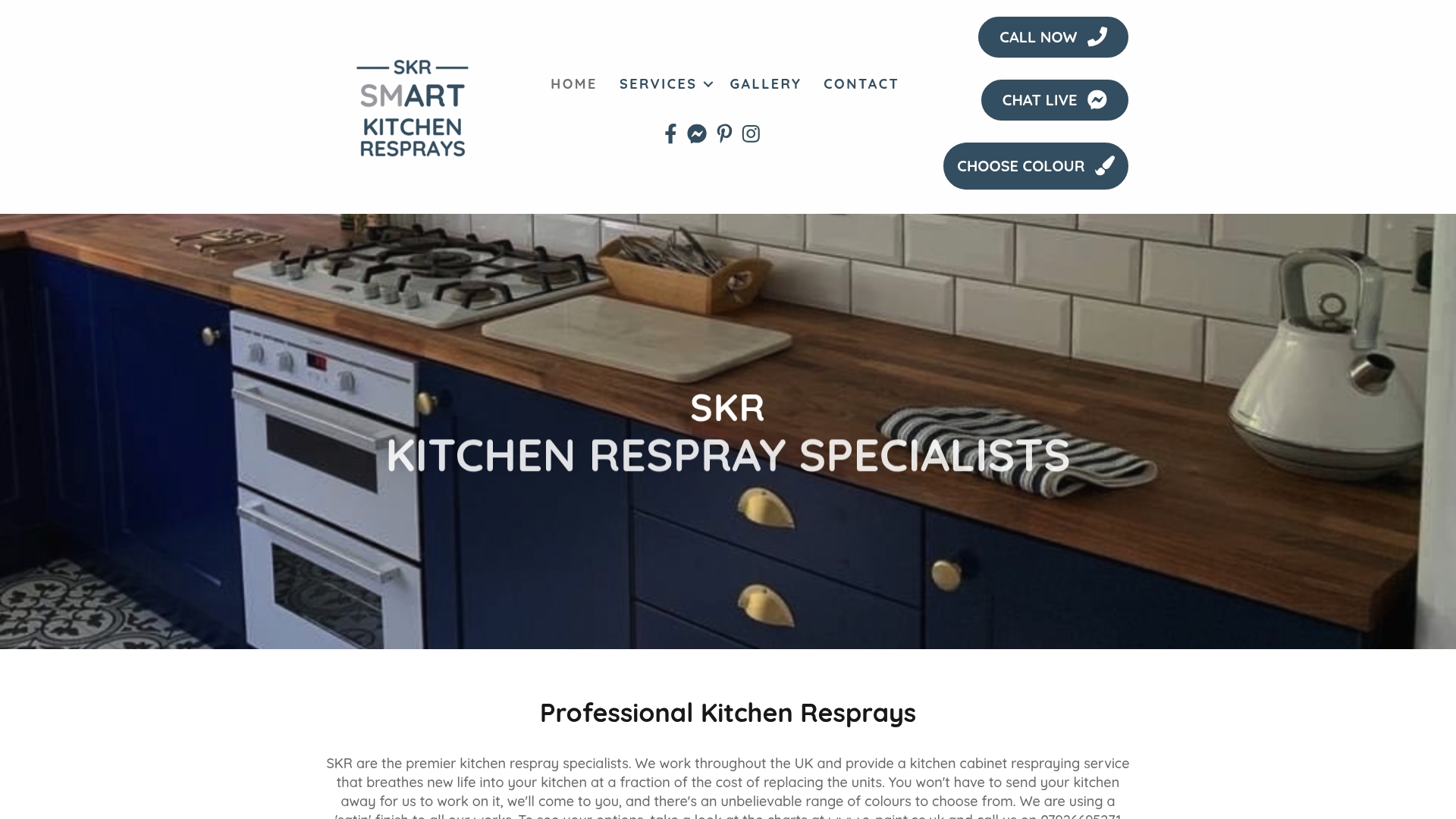
Choose from timeless whites to bold navy and gold or calm earthy greens Bold transformations or subtle updates are possible quickly and affordably with the expertise found at SKR Specialists Explore how we can help you realise your dream kitchen colour scheme with precision and care Visit our Uncategorized Archives – WordPress for inspiration and take the next step to a renewed kitchen today
Frequently Asked Questions
What colour schemes can make a small kitchen feel bigger?
To make a small kitchen feel larger, consider using soft pastel colours like eggshell blue or sage green. These light hues reflect light and create an illusion of space, making your kitchen more inviting. Aim to paint the walls in a soft shade while keeping cabinetry neutral to enhance the open feel of the room.
How can I incorporate two-tone cabinets in my kitchen design?
Start by pairing lighter upper cabinets with darker lower units to create visual height and interest. For a harmonious design, select colours with similar undertones and complement them with metallic hardware. This approach can add depth and prevent the design from feeling overwhelming.
What should I consider when choosing white for my kitchen?
When selecting white for your kitchen, choose a shade with warm undertones to avoid a clinical look. Incorporate varied textures and finishes, such as contrasting white cabinetry with darker worktops or brass hardware, to add visual intrigue. Test your chosen shade in different lighting conditions to ensure it achieves the desired effect.
How can I achieve a modern and luxurious look with navy and gold?
To create a modern and luxurious look using navy and gold, use navy as your primary colour for cabinetry and incorporate gold accents in hardware and lighting. Select brushed or matte gold for a sophisticated finish and balance the richness of navy with natural materials like wood or marble to avoid a flat appearance. Plan your colour placements strategically to highlight these luxurious features.
What are the benefits of using earthy greens in kitchen design?
Earthy greens, such as sage and olive, promote a calm and natural aesthetic in your kitchen. These colours connect your space with nature, providing a serene atmosphere for cooking and gathering. Pair earthy tones with natural textures like wood and stone to enhance warmth and maintain visual interest throughout the kitchen.
How can neutral colours create a warm kitchen environment?
Warm neutral colours like creamy beige and soft taupe create an inviting atmosphere in your kitchen. To achieve this effect, use layered neutral tones that are interconnected, and incorporate natural materials to add visual depth. Consider painting the walls in a lighter neutral while using slightly darker tones for cabinetry to create a harmonious design.
Recommended
- How Colour Affects Kitchen Design: Complete Guide – WordPress
- How Colour Transforms Kitchen Space in England – WordPress
- 7 Trending Kitchen Respray Colour Ideas for UK Homes – WordPress
- How to Pick Kitchen Paint Colours for a Fresh Look – WordPress
- Plumbing For Kitchen Renovations: Guide For Local Homeowners – Legacy Plumbing & Drain – Emergency Plumbers Of Sacramento